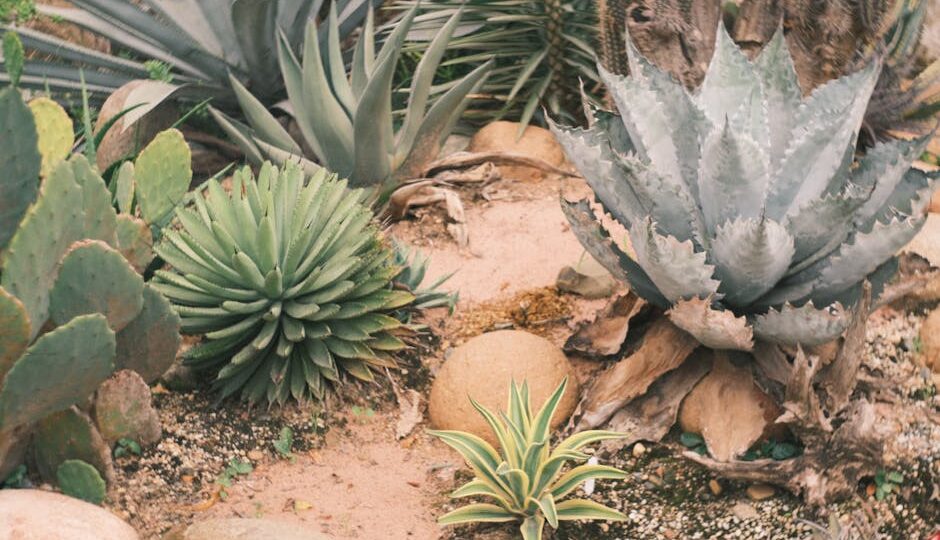
As 2026 unfolds, landscapes worldwide are increasingly adopting sustainable practices, and xeriscaping is leading the charge. This method of landscaping, which emphasizes water conservation, isn’t just about cutting back on water bills—it’s an art form that harmonizes aesthetics with environmental stewardship. Here are ten things you might not know about this transformative approach to outdoor design.
1. Origins in Denver
The concept of xeriscaping originated in the early 1980s in Denver, Colorado. Faced with ongoing drought conditions and water restrictions, Denver Water coined the term to promote landscaping that reduces the need for supplemental irrigation. Since then, the practice has spread worldwide, proving its value in diverse climates and regions.
2. Not Just Desert Plants
Many people mistakenly believe that xeriscaping is synonymous with desert-like environments dominated by cacti and rocks. In reality, xeriscaping offers much more variety. The practice involves using native and drought-tolerant plants suitable for the local climate. For instance, in Mediterranean climates, lavender and rosemary are popular choices, while in prairie regions, switchgrass and purple coneflowers thrive.
3. Seven Principles of Xeriscaping
Xeriscaping is guided by seven fundamental principles: planning and design, soil amendment, efficient irrigation, appropriate plant selection, mulch use, and regular maintenance. These principles work together to create beautiful, water-efficient landscapes. Proper planning and design involve assessing the site’s conditions and designing accordingly, which often results in a unique, personalized landscape.
4. Reduces Urban Heat
Beyond conserving water, xeriscaping can also mitigate the urban heat island effect. By choosing plants that thrive in local conditions and promoting more green spaces, xeriscapes help lower ambient temperatures. This is particularly beneficial in cities like Phoenix and Los Angeles, where heat islands exacerbate already scorching temperatures.
5. Saves Money and Time
One of the most appealing aspects of xeriscaping is its cost-effectiveness. Although the initial setup might be more expensive than traditional landscaping, the long-term savings are significant. By minimizing water usage, reducing lawn size, and selecting low-maintenance plants, homeowners save on water bills and maintenance costs. Plus, who doesn’t love spending less time mowing the lawn?
6. Xeriscaping Boosts Biodiversity
Xeriscaping is a boon for local wildlife. By incorporating native plants, these landscapes provide essential habitats for local fauna, including birds, butterflies, and beneficial insects. A xeriscape garden in Tucson might feature penstemon and agave, attracting hummingbirds and bees, thereby enhancing biodiversity in urban settings.
7. It’s Not All About Grass
Traditional lawns are often water hogs, but xeriscaping offers alternatives that are just as lush and inviting. Consider ground covers like thyme or sedum, which provide greenery while requiring far less water. These options not only enhance the aesthetic of a xeriscape garden but also support the ecological balance by requiring fewer chemical inputs.
8. Promotes Soil Health
Healthy soil is the foundation of any successful xeriscape. Techniques such as mulching and composting improve soil structure, enhance water retention, and provide nutrients over time. In regions like Austin, Texas, where soil can be quite rocky, soil amendments are particularly crucial for successful plant growth.
9. Can Be Colorful and Vibrant
Contrary to popular belief, xeriscapes can be incredibly colorful and vibrant. By selecting plants that bloom at different times of the year, you can have a garden that changes with the seasons. In Albuquerque, New Mexico, a mix of yucca, red hot poker, and California poppies can create a stunning visual tapestry.
10. A Growing Trend in Urban Planning
As water scarcity becomes a more pressing issue, municipalities are increasingly incorporating xeriscaping into urban planning. Cities like Las Vegas and Perth have been frontrunners in this movement, implementing xeriscaping in public spaces to conserve water and promote sustainable living. This trend underscores the shift towards more resilient and environmentally conscious urban environments.
Takeaway: As xeriscaping continues to gain traction, it’s clear that this practice offers more than just water savings. By blending practicality with beauty, xeriscaping proves that sustainable living and stunning landscapes can coexist harmoniously. For those looking to embrace a more eco-friendly lifestyle, xeriscaping offers not just a solution, but an opportunity to create a vibrant and resilient outdoor space.