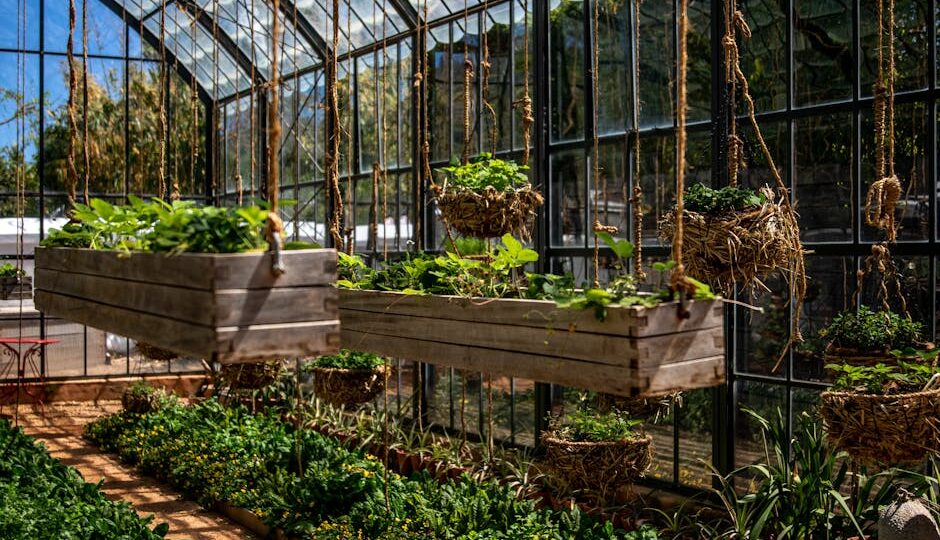
How to Create a Sustainable Yard: A Step-by-Step Guide
Creating a sustainable yard not only benefits the environment but also enhances your outdoor living experience. With climate change becoming more prevalent, it’s more important than ever to design spaces that respect nature. A sustainable yard reduces water consumption, minimizes waste, and promotes biodiversity, all while offering a beautiful and enjoyable space for you and your family. Let’s walk through the essential steps to transform your yard into an eco-friendly haven.
Understand Your Local Ecosystem
Before diving into planting, it’s crucial to understand the natural environment of your area. This includes soil type, climate, and native plant species. For instance, if you’re living in Austin, Texas, recognizing the region’s tendency for drought and heat is essential. Choosing plants that are native to your area is not just a nod to the local ecosystem; it’s a smart strategy for sustainable gardening. Native plants are adapted to the local climate and soil conditions, requiring less water and maintenance. Organizations like the Lady Bird Johnson Wildflower Center offer resources to make the best plant selections for your specific location.
Plan with Perennials
Perennials can be the backbone of a sustainable garden. Unlike annuals that need replanting every year, perennials live for multiple seasons, reducing the need for constant replacement and thereby conserving resources. Consider plants like the Black-eyed Susan or Purple Coneflower for sunny spots, and hostas or ferns for shaded areas. These plants provide long-lasting beauty and require less intervention. Moreover, perennials’ extensive root systems help improve soil structure and prevent erosion over time.
Adopt Efficient Watering Techniques
The way you water can make all the difference. Implementing drip irrigation systems and soaker hoses can save up to 50% more water compared to traditional sprinklers. These systems target the roots directly, reducing evaporation and runoff. Additionally, consider installing rain barrels to collect water during wetter months. In a city like Seattle, you can capture thousands of gallons of rainwater from your roof annually, which can then be used for irrigation during dry spells.
Reduce Lawn Size
While a sprawling lawn might be a traditional choice, it isn’t the most sustainable. Lawns are often water-intensive and require regular mowing and fertilizing. Consider reducing the size of your grass areas by converting parts of your lawn into garden beds or wildflower meadows. Not only do these alternatives support local wildlife, but they also demand fewer resources. If you are fond of the green look, opt for drought-resistant grass varieties such as Bermuda or Zoysia, which flourish with minimal water.
Create Habitats for Biodiversity
Transforming your yard into a wildlife-friendly space can have incredible benefits. Incorporate elements like birdhouses, butterfly gardens, and bee hotels. Planting species like milkweed attracts monarch butterflies, while lavender and salvia are excellent for bees. If you are lucky enough to live near wetlands, building a small pond can attract frogs and dragonflies, contributing to the ecological diversity. These features not only help sustain wildlife but also add a dynamic element to your yard’s beauty.
Embrace Organic Practices
To maintain a sustainable yard, it’s important to embrace organic gardening practices. This means using compost instead of chemical fertilizers and opting for natural pest control methods. Composting kitchen scraps and yard waste not only reduces landfill use but also enriches your soil. In cities like San Francisco, where waste management is advanced, residential composting programs make it easy to turn waste into a valuable resource. For pest control, consider companion planting or introducing beneficial insects such as ladybugs and praying mantises.
Practical Takeaway
Creating a sustainable yard is about harmonizing your outdoor space with nature. By understanding your local ecosystem, choosing the right plants, and implementing efficient watering techniques, you can create an environmentally friendly yard that is both beautiful and practical. Each step you take contributes to a healthier planet and a more enjoyable living space. Start small, and gradually make changes that align with ecological principles, ensuring that your yard remains a sanctuary not just for you, but for future generations as well.