Understanding the Basics of Permaculture
Permaculture isn’t just a gardening technique—it’s a philosophy. Coined in the 1970s by Bill Mollison and David Holmgren in Australia, permaculture is a blend of ‘permanent agriculture’ and ‘permanent culture.’ It focuses on mimicking the natural ecosystems to create sustainable and self-sufficient garden systems. Instead of battling nature, permaculture aligns with it, resulting in less maintenance and more productivity. This approach is catching on globally, with notable examples like the permaculture community in Ithaca, New York, and the lush permaculture farms in Auroville, India.
Designing Your Garden Site
Before planting begins, thorough observation of your garden site is essential. Identify the microclimates within your space—sunny spots, shaded areas, wind patterns, and water flow. Use this information to place your garden elements strategically. For instance, plant sun-loving vegetables like tomatoes in the sunniest spots and shade-tolerant plants such as lettuce in more shaded areas. Also, consider the slope of your land; this will influence water retention and flow.
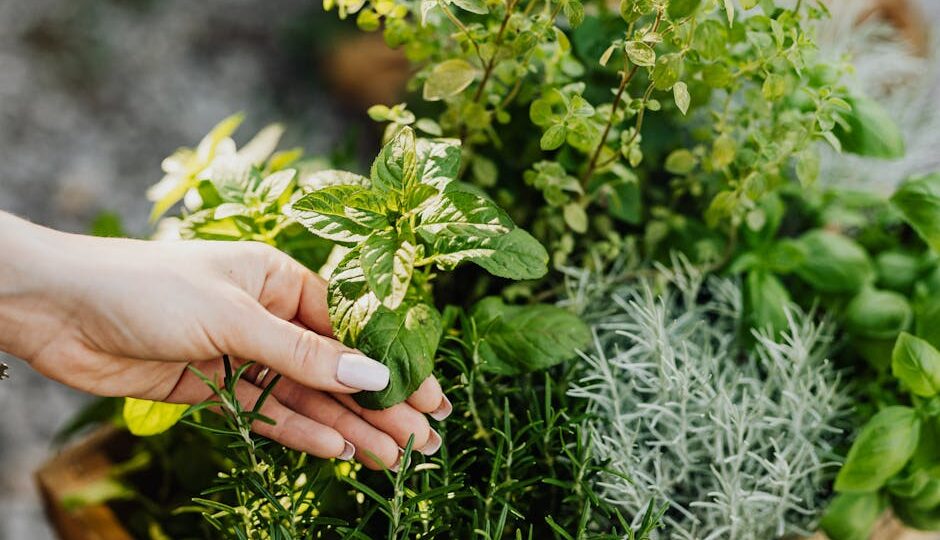
- Zones: Organize your garden into zones based on frequency of use. Zone 1 should be close to your home for daily use, like a herb spiral or salad greens. Zone 5 is left more natural, for wildlife and minimal intervention.
- Sectors: Analyze external energies such as sun, wind, and rain. Use windbreaks to protect delicate plants and rainwater catchment systems to maximize water efficiency.
Choosing the Right Plants
With permaculture, diversity is key. Plant a wide variety of species to create a resilient ecosystem. Companion planting is a cornerstone of permaculture—certain plants support each other’s growth. For example, plant carrots with onions; the onions repel carrot flies, and carrots help aerate the soil. Include nitrogen-fixing plants like peas and beans to enrich the soil naturally.
Consider perennial plants, which will return year after year, reducing the need for replanting. Asparagus, rhubarb, and artichokes are great choices. Don’t forget to include native plants to support local wildlife and bees, which are essential pollinators.
Building Healthy Soil
Healthy soil is the foundation of a thriving permaculture garden. Adopt no-till methods to preserve soil structure and retain carbon. Instead, use mulching to suppress weeds and retain moisture. Composting is another vital practice; kitchen scraps and yard waste can be transformed into rich, organic matter that nourishes your plants.
Incorporate techniques such as sheet mulching or ‘lasagna gardening.’ This involves layering cardboard, compost, and mulch to build soil organically over time. It’s a simple method, yet incredibly effective for transforming poor soil.
Integrating Water Management
Effective water management is crucial in permaculture design. Harvesting rainwater through barrels or more advanced systems can significantly reduce your garden’s water footprint. For larger projects, consider a swale—a shallow ditch on contour designed to capture and infiltrate rainwater. Swales can both prevent erosion and provide moisture to plant roots.
Additionally, greywater systems can be incorporated to reuse water from sinks and showers for irrigation. Ensure that soaps and detergents are biodegradable to prevent soil contamination.
Creating a Wildlife Habitat
Invite wildlife into your garden by creating habitats that attract beneficial insects and animals. Plant flowering species that provide nectar throughout the growing season to attract pollinators like butterflies and bees. Install birdhouses and bat boxes to encourage natural pest control.
A small pond can add a dynamic element, providing habitat for frogs and dragonflies, which are natural predators of garden pests. A hedgerow could serve as both a windbreak and a corridor for wildlife, enhancing biodiversity.
The magic of permaculture lies in its ability to transform a garden into a self-sustaining ecosystem. By observing, designing, and implementing these principles, your permaculture garden can thrive with minimal input and maximum output. As you embark on this journey, remember that patience and observation are your best tools—nature’s rhythms will guide you. Start small, learn from your garden, and let it teach you the intricate dance of ecological harmony.