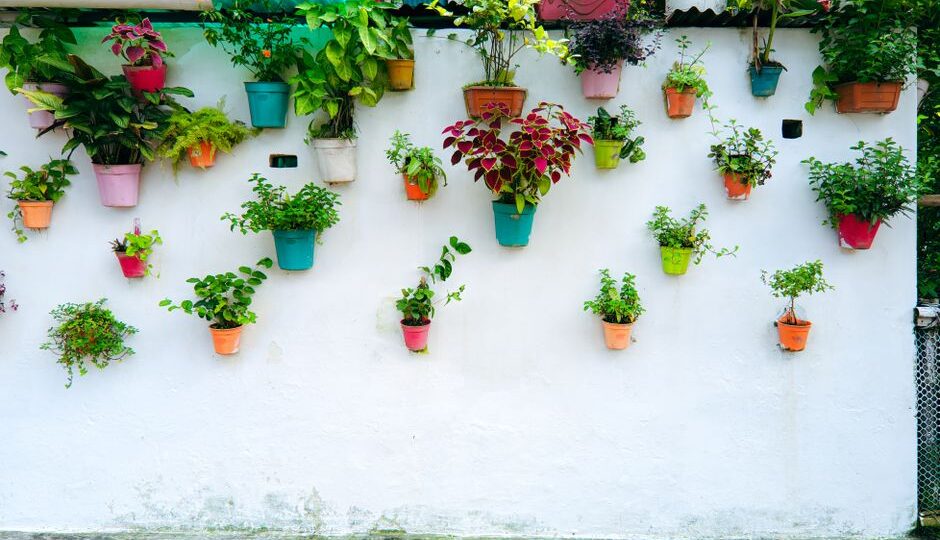
Embracing Vertical Spaces
As urban living continues to rise, so does the challenge of optimizing limited outdoor spaces. Vertical gardening is not just a trend; for city dwellers, it’s a necessity. By turning to vertical spaces, homeowners can transform otherwise unused walls and fences into lush, vibrant environments. In New York, for example, vertical gardens are sprouting like wildflowers on apartment balconies and patios. These green walls are not only visually stunning but also offer practical benefits like improved air quality and insulation.
Choosing the Right Plants
When it comes to vertical gardens, plant selection is crucial. Opt for species that thrive in your climate and require minimal maintenance. In 2026, many gardeners are favoring Philodendrons and Ferns for their resilience and aesthetic appeal. Succulents remain a popular choice for their ability to store water, making them perfect for arid environments like those found in Los Angeles. Consider mixing edible plants such as strawberries or herbs, which can add a functional element to your green wall.
Innovative Support Structures
Creating a vertical garden requires some innovative thinking regarding support structures. Modular planting systems, which have become increasingly sophisticated, allow for easy customization and reconfiguration. This year, designers are experimenting with recycled materials such as old pallets or repurposed metal grids. These not only provide sturdy support but also contribute to sustainability efforts—a key priority for many homeowners in 2026.
Smart Irrigation Solutions
Water management is a critical factor in vertical gardening. Fortunately, smart irrigation systems have made significant strides in recent years. Systems like the GroGreen Smart Drip can now be integrated with home automation systems, ensuring your vertical garden receives the optimal amount of water. This technology is a game-changer in urban areas with water restrictions, like those seen in parts of Australia.
Lighting for Urban Jungle Ambiance
Lighting can significantly enhance the ambiance of your vertical garden, especially in urban areas where natural light may be limited. LED grow lights are an excellent option for promoting plant growth and creating a mood-setting glow. Solar-powered lights can also be strategically placed to highlight specific plants or features within your vertical structure, offering a sustainable solution for night-time enjoyment.
Community and DIY Projects
For those who prefer a hands-on approach, community gardening workshops offer a wealth of knowledge and inspiration. Many neighborhoods in cities like Portland and Austin host regular vertical gardening meet-ups where locals can exchange tips and even share cuttings. These community projects not only beautify shared spaces but also foster a sense of camaraderie and collective responsibility for urban green spaces.
In 2026, the possibilities for vertical gardening are expanding rapidly. By leveraging technology, sustainable practices, and community resources, urban dwellers can maximize their outdoor spaces like never before. Start by assessing your available wall space, choose the right plants, and get creative with your design. The result? A personalized, verdant oasis that brings nature to your doorstep, no matter how small your yard may be.