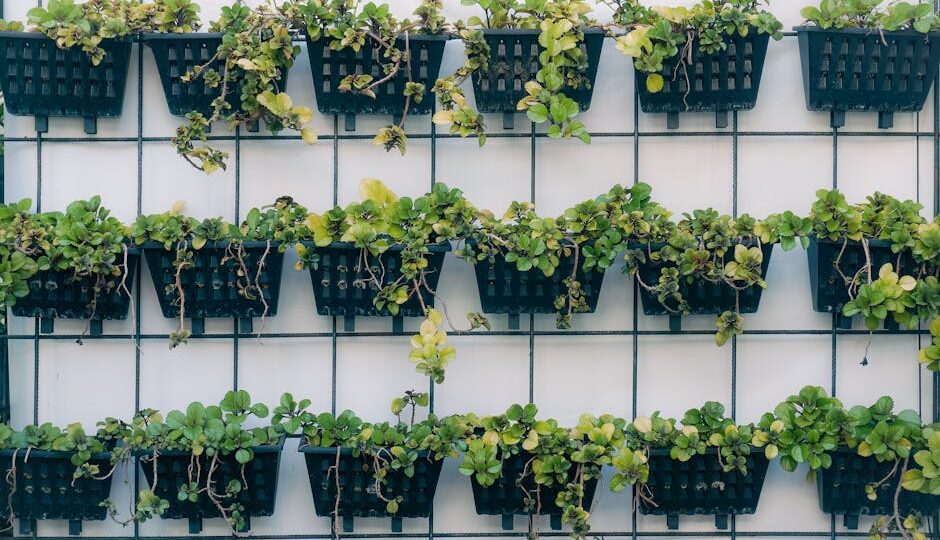
Why Vertical Landscaping Matters in Urban Areas
As cities around the world continue to swell with the influx of new residents, the challenge of creating green spaces in concrete jungles becomes more pressing. Take a stroll through the streets of Singapore or Milan, and you’ll notice a remarkable trend: lush, green walls scaling the sides of skyscrapers and other urban structures. These vertical gardens are not just about aesthetics; they offer a host of benefits that are transforming urban living.
The Challenge of Limited Space
With urban populations predicted to double by 2050, cities like Tokyo, New York, and Mumbai are grappling with the issue of limited space. Traditional horizontal gardening is often not feasible in such densely packed environments. Vertical landscaping offers a clever solution, turning unused vertical spaces into thriving green ecosystems. Green walls, living facades, and rooftop gardens are becoming essential components of urban planning strategies.
Consider Singapore’s Oasia Hotel Downtown, where the building is enveloped by a sprawling vertical garden that covers over 27,000 square feet. This not only beautifies the urban landscape but also addresses the scarcity of ground-level space.
Environmental Benefits That Pack a Punch
Vertical gardens are not just pleasing to the eye; they play a crucial role in improving air quality. By absorbing pollutants and releasing oxygen, they act as natural air filters. In cities like New Delhi, where air quality frequently reaches hazardous levels, vertical gardens can mitigate some of the negative effects of pollution.
Moreover, these living walls help regulate building temperatures, significantly reducing the need for air conditioning. Studies indicate that a single square meter of green wall can absorb up to 2.3 kilograms of CO2 annually. That’s equivalent to what a small car emits in 200 kilometers! By lowering a building’s temperature, vertical gardens contribute to energy conservation and help combat the urban heat island effect.
Boosting Biodiversity in Urban Landscapes
Urbanization often leads to habitat loss, threatening local flora and fauna. Vertical landscaping offers a refuge for endangered species, providing essential habitats within city boundaries. In cities such as London, initiatives have been launched to promote urban biodiversity through vertical gardens.
These vertical oases attract birds, bees, and other pollinators, supporting ecosystems that otherwise struggle to survive in urban environments. The Bosco Verticale (Vertical Forest) in Milan, for instance, hosts over 700 trees and 5,000 shrubs, supporting a wide array of wildlife and connecting residents with nature.
Psychological and Social Impact
In the hustle and bustle of city life, the presence of greenery offers a calming effect, reducing stress and enhancing mental well-being. A study by the University of Queensland found that just 30 minutes a week spent in green spaces can reduce depression and high blood pressure.
Vertical gardens also have the power to foster community interaction and pride. In Los Angeles, the renovation of an old warehouse with a massive vertical garden drew residents together, creating a space for social interaction and community gatherings. This greenery promotes a sense of belonging and boosts the overall quality of life for urban dwellers.
Economic Incentives and Challenges
While the initial investment in vertical landscaping can be high, the long-term savings in energy costs and increased property values often outweigh these expenditures. Buildings with vertical gardens tend to be more attractive to buyers and tenants, offering a unique selling point in dense urban markets.
However, there are challenges involved, such as the need for specialized maintenance and the initial setup costs. Despite these hurdles, cities like Paris and Sydney have shown that with the right policies and incentives, vertical gardens can be successfully integrated into urban planning.
How to Get Started
If you’re inspired to bring a slice of nature to your own urban dwelling, starting a vertical garden is more accessible than you might think. Begin with a small wall-mounted planter or a trellis system on your balcony. Choose plants that are well suited to your environment, such as succulents, ferns, or herbs.
- Research: Look into the specific needs of the plants you wish to grow.
- Plan: Consider the amount of sunlight and water availability.
- Install: Select the appropriate structure and ensure it is securely mounted.
As you embark on this green journey, not only will you enhance your living space, but you’ll also contribute to a larger movement aimed at making cities more livable and sustainable.