15 Best Plants for Shady Gardens in 2026
Gardening in the shade can be a delightful and rewarding experience. Contrary to the belief that only sun-loving plants can create vibrant spaces, shady gardens have their own charm and uniqueness. With the right plants, you can transform those low-light areas into lush, serene retreats. As we step into 2026, here are 15 of the best plants to consider for your shady garden, each chosen for its beauty, resilience, and ability to thrive without direct sunlight.
1. Hosta
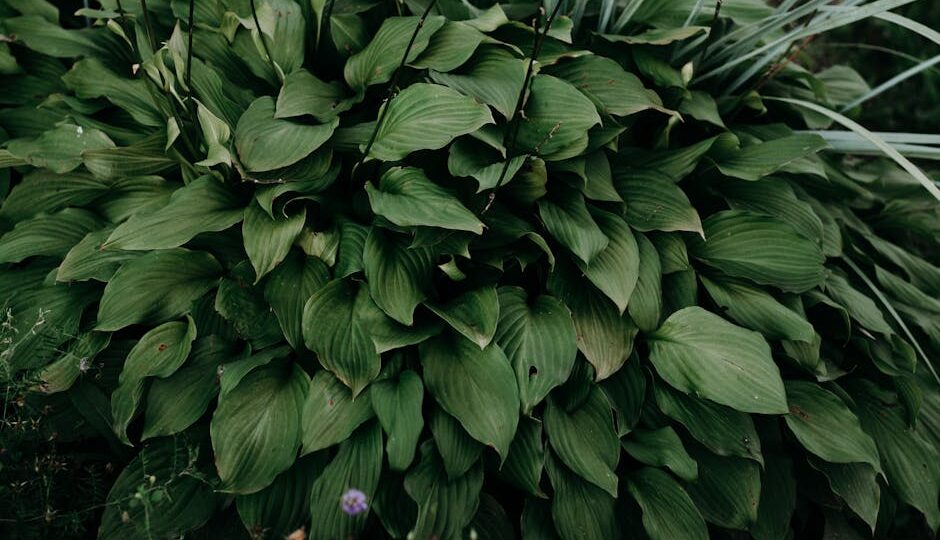
Hostas have been a favorite for shady gardens for decades, and they continue to captivate gardeners with their stunning foliage. With hundreds of varieties available, they offer a spectrum of greens, blues, and even variegated patterns. Their lush leaves range from petite to gigantic, allowing for endless design possibilities. In places like Portland, Oregon, where overcast days are common, hostas add a pop of color and structure to gardens.
2. Astilbe
Astilbes are known for their feathery plumes that come in shades of pink, red, and white. These perennials not only tolerate shade but also add an air of elegance with their delicate flowers. They thrive in the moist, shaded conditions found in regions like Seattle’s urban gardens, making them a reliable choice for adding vertical interest and color.
3. Ferns
Ferns are synonymous with shade gardens. Their intricate fronds create a lush, forest-like atmosphere that brings tranquility and a touch of the wild into any space. From the delicate maidenhair to the robust Japanese painted fern, these plants offer texture and movement. In shaded areas of New York City’s Central Park, ferns are a natural fit, blending beautifully with the park’s wooded areas.
4. Bleeding Heart (Dicentra)
With its heart-shaped flowers and graceful arching stems, the bleeding heart is a romantic addition to any shady garden. Happiest in cool, damp conditions, this plant blooms in early spring, offering a delightful burst of color when many other plants are just awakening. Gardens in the Pacific Northwest, like those in Olympia, find this plant a perfect match for their climate.
5. Japanese Anemone
Japanese anemones, with their simple yet striking flowers, bloom in late summer to early fall, providing a lovely extension to the gardening season. They have a refined beauty and are particularly cherished in gardens in places like San Francisco, where mild, foggy summers create ideal growing conditions.
6. Heuchera (Coral Bells)
Heucheras are adored for their vibrant foliage, which comes in a spectacular array of colors, from deep purples to vivid greens. This versatility makes them perfect for adding a splash of color in shaded areas where flowers may be scarce. They’re a staple in gardens throughout the smoky mountain regions of Tennessee, offering year-round interest.
7. Tiarella (Foam Flower)
Foam flowers are prized for their frothy blooms and textured foliage. This native North American plant is a shade lover that thrives in woodland settings, making it ideal for naturalistic gardens in areas like the Appalachian Mountains. Tiarellas are not only beautiful but also beneficial for local wildlife, offering habitat to various beneficial insects.
8. Brunnera (Siberian Bugloss)
Brunnera, with its heart-shaped leaves and tiny, forget-me-not-like flowers, is a delightful choice for shady spots. The silver-speckled foliage adds an element of lightness, while its flowers provide a gentle splash of color. In the Midwest, where summers can be hot and dry, Brunnera’s ability to maintain vigor with just morning sun makes it invaluable.
9. Lamium (Dead Nettle)
Lamium is a fantastic ground cover for shady areas, with its silvery foliage and small, colorful flowers. It’s a resilient plant, perfect for filling in gaps and suppressing weeds in shaded garden beds. In cities like Boston, where gardeners often contend with less-than-ideal soil, Lamium’s ability to thrive with little care is a blessing.
10. Pulmonaria (Lungwort)
Known for their spotted leaves and early spring flowers, lungworts are a charming addition to shaded gardens. Their blooms transition through a range of colors, offering dynamic interest. In the dense woodlands of Vermont, lungworts are a staple, providing early nectar for pollinators like bees emerging from hibernation.
11. Hydrangea
Hydrangeas, with their large, dramatic blooms, are a popular choice for shady gardens. While they enjoy some morning sun, they can thrive in the dappled shade common in gardens throughout the southeastern United States. The classic mophead and lacecap varieties are particularly well-loved for their showy, long-lasting flowers.
12. Trillium
Trilliums are iconic woodland flowers, known for their three-petaled blossoms and elegant simplicity. These spring bloomers are excellent for naturalizing in shaded areas and are especially cherished in the wildflower-rich regions of Michigan. Trilliums demand patience but reward gardeners with their understated beauty.
13. Ligularia
Ligularias, with their bold leaves and striking flower spikes, bring an exotic flair to shady gardens. They thrive in moist, rich soils and bloom in midsummer, offering a burst of color when many other perennials have faded. In the humidity-laden gardens of Louisiana, Ligularias create a tropical look that is hard to duplicate.
14. Solomon’s Seal
Solomon’s Seal, with its graceful arching stems and delicate bell-shaped flowers, adds elegance and a sense of movement to shaded areas. It is resilient and low-maintenance, a perfect choice for shady spots along the forested trails of the Blue Ridge Mountains. This plant’s unique form has made it a beloved choice for naturalistic garden designs.
15. Epimedium (Barrenwort)
Epimediums, often known as barrenwort, are shade-loving perennials with dainty flowers and attractive foliage. Their ability to withstand dry shade makes them invaluable in challenging garden spots. Originally native to China, they have become staples in the woodland gardens of Ohio, where they add a delicate touch to the landscape.
Building a garden in the shade doesn’t mean sacrificing color or texture. With a thoughtful selection of plants, you can create a stunning shady retreat that bursts with life. Take into account your local climate and soil conditions, and you’ll have a garden that flourishes with minimal fuss, offering an oasis of tranquility and beauty.