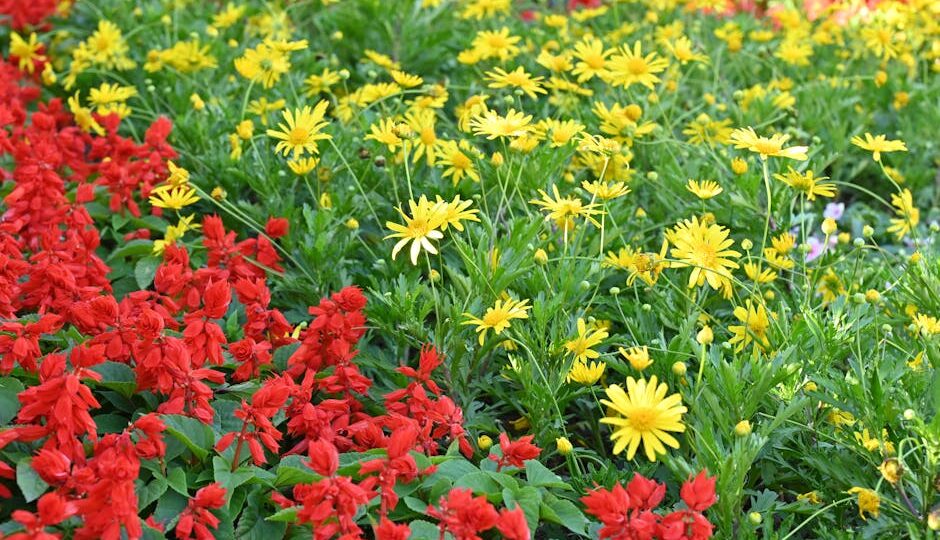
How to Achieve Colorful Blooms Year-Round
Creating a garden that bursts with color throughout the year can seem like a daunting task. However, with a bit of planning and the right plant choices, it’s entirely possible to enjoy vibrant blooms no matter the season. Whether you’re living in the bustling suburbs of Los Angeles or the serene countryside of Vermont, this article guides you toward a garden that stays lively all year long.
The Importance of Planning Your Year-Round Garden
Before diving into plant selections, it’s crucial to understand your garden’s unique characteristics. Factors such as climate, soil type, and sunlight availability will influence plant growth and longevity. For instance, a garden in Miami will have different requirements than one in Seattle.
Begin by sketching a layout of your garden, noting areas that receive full sun, partial shade, and complete shade. Consider soil testing to understand its pH level and nutrient content. This foundational knowledge is key to selecting plants that will thrive in your specific environment.
Selecting the Right Plants for Each Season
Once you’ve mapped out your garden’s specifics, it’s time to select plants that will ensure a colorful display throughout the year. Each season offers a unique palette of blooms, so let’s explore some options:
- Spring: This season is all about renewal and vibrancy. Opt for tulips, daffodils, and hyacinths. Their bright colors and pleasant fragrance are sure to awaken any garden from winter slumber. In areas with cooler springs, hellebores and snowdrops are excellent choices as they can withstand lower temperatures.
- Summer: To combat the summer heat and maintain lushness, choose heat-tolerant plants like black-eyed Susans, sunflowers, and coneflowers. In regions like Texas, lantanas and zinnias are popular for their drought resilience and colorful blooms.
- Autumn: As temperatures drop, chrysanthemums and asters take center stage with their warm hues. Ornamental grasses, with their feathery plumes, add texture and movement to the garden. In the northeast, consider planting sedums and pansies, which thrive in cooler weather.
- Winter: While it might seem challenging to find winter blooms, plants like camellias, winter jasmine, and heathers provide unexpected splashes of color. In milder climates like those found in the Pacific Northwest, consider hellebores and witch hazel for their late winter flowers.
Incorporating Evergreens for Year-Long Interest
Flowers aren’t the only way to ensure a colorful garden. Evergreens play a crucial role in providing structure and greenery, even during the dreariest of winters. Species like boxwoods, hollies, and junipers offer a lush backdrop against which seasonal flowers can shine. Additionally, their varied textures and shades of green contribute visually to your landscape, adding depth and interest.
Incorporate a mix of evergreen shrubs and trees to provide year-long coverage. This is particularly useful in regions prone to harsh winters, as evergreens are hardy and maintain their foliage throughout the cold months.
Utilizing Containers and Raised Beds
For those with limited space or less-than-ideal soil conditions, containers and raised beds offer versatile solutions. These methods allow for greater control over soil quality and moisture levels, which is particularly beneficial in urban areas with poor soil conditions.
Containers can be moved to different locations to maximize sunlight exposure, making them ideal for tender plants that require specific conditions. Raised beds allow for deeper soil and better drainage, which can foster healthier root systems and more vibrant blooms.
Practical Takeaway: A Year-Round Gardening Schedule
Maintaining a colorful garden year-round is as much about proper timing as it is about plant selection. Here’s a simple schedule to keep your garden in full bloom:
- Early Spring: Start sowing seeds for summer annuals indoors. Prune your existing shrubs and perennials to promote new growth.
- Late Spring to Early Summer: Plant summer annuals and perennials. Apply mulch to retain moisture and suppress weeds.
- Autumn: Plant bulbs for spring flowering. Divide established perennials to promote future blooms.
- Winter: Focus on indoor gardening or plan next season’s garden layout. It’s the perfect time to clean and sharpen tools in preparation for spring.
By following these guidelines, you can create a garden that not only remains colorful throughout the year but also becomes a personal sanctuary of seasonal beauty.