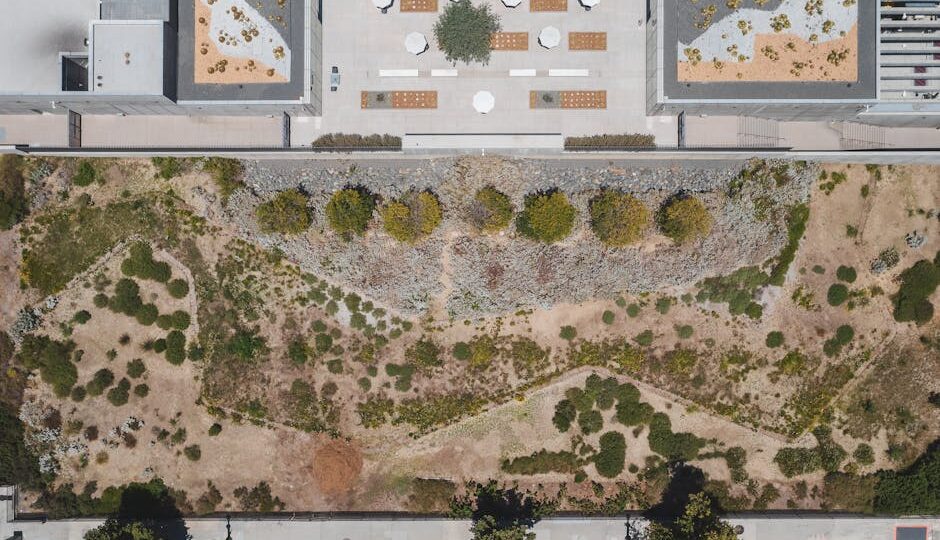
Embracing Technology in Your Backyard
As we look ahead to 2027, technology continues to be a driving force in how we interact with our outdoor spaces. Smart landscaping solutions are becoming more prevalent, with homeowners integrating advanced systems to monitor and manage their gardens. Imagine having sensors in your soil that send real-time data to your phone, indicating when your plants need watering or fertilizing. These smart garden systems are designed to optimize plant health and reduce water wastage, making them both eco-friendly and convenient.
Moreover, robotic lawn mowers and automated irrigation systems are expected to become standard features in many gardens. These devices not only save time but also ensure precision and efficiency in maintaining your yard. With AI-driven tech, predicting weather changes and adjusting accordingly is just a fingertip away.
Sustainable Practices Taking Center Stage
Environmental awareness has reached new heights, and by 2027, landscaping practices will reflect this shift. Expect to see a significant rise in the use of native plants, which require less water and are more resilient to local pests and diseases. This not only supports local ecosystems but also reduces the need for chemical fertilizers and pesticides.
Additionally, more homeowners are incorporating rain gardens and bioswales into their landscapes. These features help manage stormwater runoff, prevent flooding, and improve water quality. In cities like Austin, Texas, where rainfall can be unpredictable, these sustainable solutions are becoming increasingly popular.
The Rise of Edible Landscapes
There’s something truly rewarding about picking fresh vegetables right from your backyard. By 2027, edible landscapes will be more than just a trend; they will be a staple of modern homes. Homeowners are increasingly integrating fruit trees, berry bushes, and vegetable patches into their yards, blurring the lines between aesthetics and functionality.
In urban areas with limited space, vertical gardens and hydroponic systems are gaining traction. These innovations allow individuals to grow their own food in environments once deemed unsuitable for traditional gardening. It’s not just about sustenance; it’s about creating a closer connection to nature and understanding the food growth process.
Outdoor Living Spaces: The Ultimate Retreat
As people continue to seek solace in their own homes, outdoor living spaces are transforming into luxurious retreats. By 2027, expect to see backyards equipped with everything from outdoor kitchens and dining areas to cozy fire pits and even outdoor theaters. These spaces are designed to extend the living area of a home, offering a sanctuary for relaxation and entertainment.
Materials like natural stone, reclaimed wood, and eco-friendly composites are taking precedence, aligning with the broader trend towards sustainability. In places like Santa Fe, New Mexico, the use of adobe and natural clay creates a harmonious blend with the environment, providing both functionality and aesthetic appeal.
Biophilic Design Principles
Biophilic design, which focuses on the connection between humans and nature, is making waves in the landscaping world. This approach emphasizes natural elements such as water features, green walls, and organic shapes, aiming to enhance well-being and reduce stress.
Cities like Portland, Oregon, are leading the way, with public spaces and private gardens alike incorporating biophilic elements. As we move further into the decade, the emphasis on creating tranquil, immersive natural environments in urban settings will continue to grow.
Practical Takeaway: Start Small, Think Big
Whether you’re planning a complete overhaul of your yard or just starting with a small vegetable patch, the future of landscaping offers endless possibilities. Adopting new technologies and sustainable practices can make your garden more efficient and environmentally friendly. Begin with small changes today, and you’ll be well-prepared for the trends of 2027 and beyond.