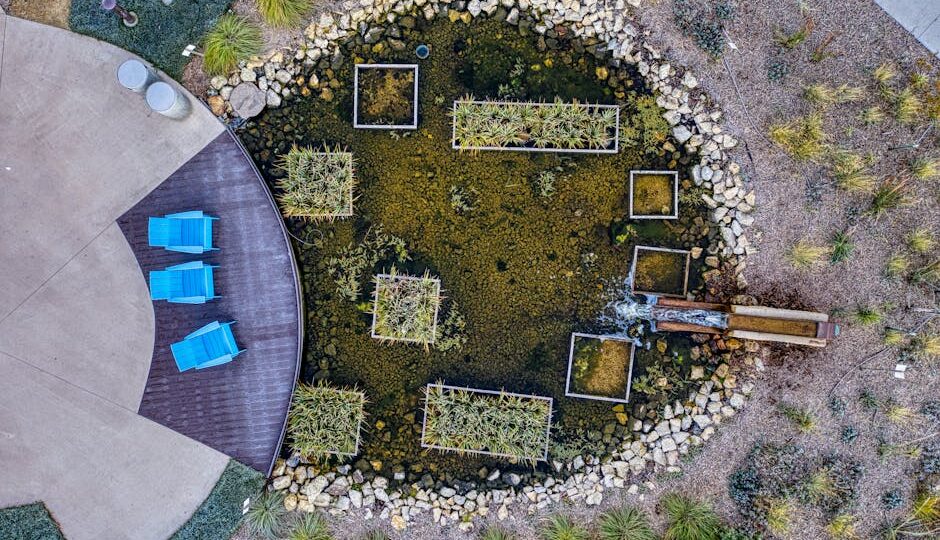
Why Water Features Are Making a Comeback in 2026
The gentle trickle of a fountain, the reflective surface of a pond, or the refreshing spray of a waterfall – these elements of serenity are becoming the centerpiece of modern yards in 2026. Water features are no longer a mere luxury; they have become essential components of outdoor spaces, enhancing both aesthetic appeal and ecological value. But what has sparked this resurgence? Let’s delve into the reasons driving this trend.
The Environmental Shift: Embracing Sustainability
In an era where environmental consciousness is paramount, homeowners are increasingly opting for sustainable landscaping. A well-designed water feature is more than just eye candy; it can play a significant role in supporting local ecosystems. In places like Austin, Texas, where drought-resistant gardens are popular, water features designed with circulating systems use minimal resources while supporting native wildlife, such as birds and beneficial insects.
Moreover, rain gardens have become an innovative integration to manage stormwater runoff. These features collect rainwater that would otherwise flow into storm drains, reducing erosion and allowing the water to percolate into the ground, recharging aquifers. By 2026, many cities, including Portland, Oregon, have introduced incentives for incorporating these eco-friendly designs into residential landscapes.
Technological Advancements: Smart Water Features
The rise of smart technology has not only revolutionized our homes but our gardens as well. Today, homeowners can control their water features remotely, adjusting the flow, lighting, and even sound, with a simple app on their smartphones. This innovation allows for a more personalized and convenient experience.
Consider the example of the Shedd Aquarium in Chicago, which recently revamped its outdoor landscape with interactive water features that are not only energy-efficient but also educational. These installations demonstrate the potential of integrating technology with nature, sparking a growing interest among tech-savvy homeowners.
Aesthetic Appeal: Creating Tranquil Escapes
There’s an undeniable allure to the sound of water. It has a calming effect that can transform a backyard into a personal oasis. As more people work from home in 2026, the demand for peaceful outdoor retreats has surged. Water features offer a perfect solution, providing a space to unwind and escape the stresses of daily life.
Homeowners in urban areas, like New York City, have embraced compact fountains and vertical wall features, which fit seamlessly into smaller spaces, offering a slice of tranquility amid the hustle and bustle. Meanwhile, those with larger properties are opting for expansive ponds or cascading waterfalls, drawing inspiration from places like the Japanese Tea Garden in San Francisco, known for its serene water landscapes.
Enhancing Property Value
In the competitive real estate market of 2026, properties with unique and luxurious features stand out. A well-maintained water feature can significantly increase a home’s market value. According to industry experts, a professionally installed water feature can provide a return on investment of up to 15%. This attracts potential buyers looking for distinctive and aesthetically pleasing homes.
Real estate agents in places like Beverly Hills, California, report that homes with intricate water features tend to sell faster and at higher prices. This trend is echoed in suburban regions, where families value the dual benefits of aesthetic charm and increased property value.
Practical Takeaway: How to Incorporate a Water Feature in Your Yard
For those considering adding a water feature to their yard, start by evaluating your space and budget. Research various types of features, from stand-alone fountains to elaborate ponds, and consider consulting with a landscaping professional to tailor a design suited to your needs.
- Space: Determine the size and shape of your yard to choose the appropriate water feature.
- Budget: Establish a clear budget to explore options within your financial range.
- Maintenance: Consider the upkeep involved; some features require more maintenance than others.
- Local Environment: Choose features that complement local wildlife and climate conditions.
Water features are a timeless addition that enhances any yard, offering beauty and tranquility while contributing positively to the environment. As we continue to value sustainable and serene living spaces, this trend is likely to grow, making 2026 the year where water becomes a central element of our outdoor lives.