How to Blend Indoor and Outdoor Living Spaces Seamlessly
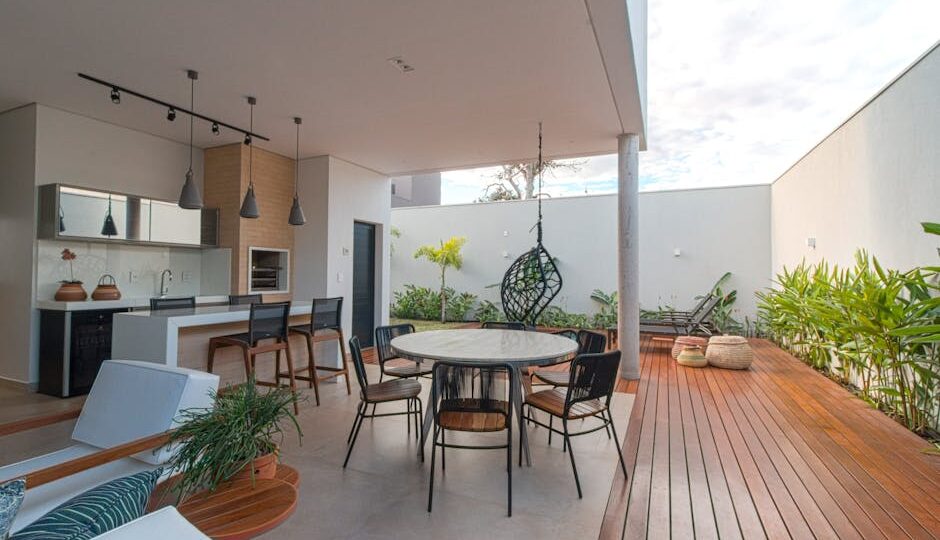
The allure of merging indoor and outdoor living spaces has grown immensely in recent years. This modern concept not only enhances aesthetic appeal but also increases the functional area of homes, allowing residents to enjoy the best of both worlds. Imagine sipping your morning coffee amidst gentle sunlight or hosting dinner parties that flow effortlessly from the dining room to the garden. If you’re ready to transform your home into a harmonious blend of indoor comfort and outdoor beauty, here’s how you can achieve this seamless integration.
Understanding the Indoor-Outdoor Living Trend
Before diving into the how-tos, it’s crucial to understand why blending indoor and outdoor spaces has become so popular. This trend is driven by a desire for more natural light, fresh air, and a connection with nature, which are proven to improve mental health and overall well-being. Cities like Los Angeles, Sydney, and Barcelona have embraced this lifestyle, leveraging their temperate climates to extend living spaces beyond traditional walls.
Invest in Transitional Furniture
An effective way to create a seamless transition between your indoor and outdoor areas is through the use of transitional furniture. Look for pieces that are durable enough to withstand the elements yet stylish enough to fit within your interior design. Materials like teak, all-weather wicker, and treated metals work well. Consider a versatile dining table that serves both indoors and alfresco dining, or cushioned seating that invites comfort wherever it’s placed. Furniture from brands like Dedon or Gloster is known for balancing style with durability.
Utilize Biophilic Design
Biophilic design focuses on enhancing the occupant’s connection to the natural environment through the use of natural materials, light, greenery, and other elements. Incorporating large glass doors or walls that open up entirely will instantly blur the lines between indoor and outdoor spaces. For example, a sliding glass wall can create an expansive feel in a small area while allowing a seamless flow to the garden. Additionally, indoor plants that transition to outdoor gardens can enhance this connection, creating a continuous line of greenery.
Integrate Smart Technology
Smart technology can play a pivotal role in blending indoor and outdoor spaces. Outdoor speakers and lighting systems that can be controlled from your smartphone make it easy to set the ambiance for any occasion. Consider installing automated blinds that adjust based on the time of day or weather conditions, providing shade and comfort seamlessly. Smart irrigation systems can also maintain your outdoor garden effortlessly, keeping it lush and inviting without the need for constant manual intervention.
Match Flooring for Continuity
To seamlessly connect indoor and outdoor areas, consider using the same or similar flooring materials. This creates a visual extension and unification. Porcelain tiles, natural stone, or composite decking are excellent choices for areas exposed to weather while providing a cohesive look. Matching textures and colors helps to blur the boundaries between indoors and outdoors. For instance, using a light grey slate tile can effortlessly flow from a living room to a patio.
Create Outdoor Rooms
Think of your outdoor space as an extension of your indoor living areas, complete with designated zones for different activities. Set up a comfortable seating area with a fire pit for relaxing evenings, a dining area with a pergola for shade, or even a play zone for children. Utilizing outdoor rugs, planters, and lighting can help define these spaces further, making them feel intimate and purposeful. A well-designed outdoor room can serve as a tranquil retreat, a vibrant entertainment area, or a functional workspace.
By following these strategies, you can create a home environment where the boundaries between inside and outside disappear, resulting in a space that feels larger, more inviting, and intrinsically connected to nature.
Practical Takeaway
To successfully blend indoor and outdoor spaces, focus on continuity, functionality, and comfort. From transitional furniture and smart technology to matching materials and thoughtful design, each element plays a role in creating a harmonious living environment. By investing in these aspects, you not only enhance your home’s beauty and utility but also enrich your daily living experience.