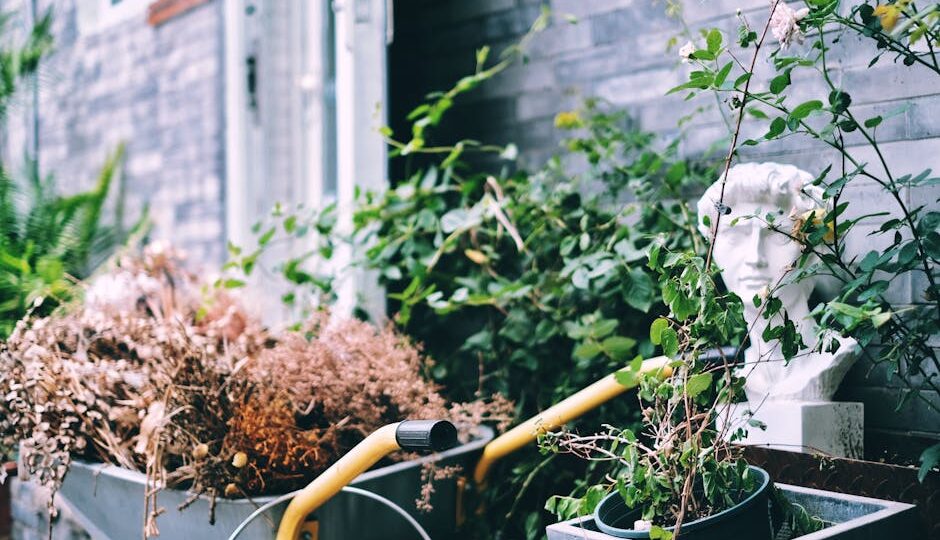
7 Mistakes to Avoid When Designing Your Garden
Creating a garden that reflects your personal style and complements your home can be a deeply rewarding endeavor. In 2026, more people are discovering the joys of garden design, yet not everyone gets it right the first time. Here are some common mistakes to avoid, ensuring your garden blooms beautifully year-round.
1. Ignoring the Local Climate
One of the most common errors in garden design is failing to consider your local climate. Many eager gardeners, entranced by the lush photos in gardening magazines, try to grow plants that aren’t suited to their local conditions. For example, someone living in Phoenix, Arizona, might dream of a garden filled with ferns and hostas, only to find them wilting under the harsh sun.
Solution: Choose plants that thrive in your specific climate zone. If you’re in a dry area like Southern California, opt for drought-tolerant species like lavender or succulents. Alternatively, someone in the rainy Pacific Northwest might focus on moisture-loving plants like ferns and bleeding hearts.
2. Overlooking Soil Health
Healthy soil is the foundation of any thriving garden, yet it’s often neglected. Many gardeners rush to plant without testing their soil, assuming that a bag of fertilizer will solve all problems. However, poor soil can lead to unhealthy plants, stunted growth, and wasted efforts.
Solution: Conduct a soil test before planting. This will tell you the pH and nutrient levels, allowing you to amend the soil as needed. Incorporate organic matter like compost to improve texture and fertility. Remember, happy soil equals happy plants.
3. Planting Without a Plan
It’s easy to get carried away at the nursery, purchasing plants on a whim because they look beautiful. Yet without a cohesive plan, your garden can quickly turn into a disorganized mishmash.
Solution: Sketch out a garden design before you start planting. Consider color schemes, plant heights, and bloom times to create a harmonious landscape. Think about how each plant will look throughout the seasons, and leave room for growth. A well-planned garden design is like a symphony, with every plant playing its part.
4. Forgetting About Maintenance
Another mistake is underestimating the amount of maintenance a garden will require. While all those vibrant flowers and lush foliage look wonderful in spring, they may demand more attention than you’re prepared to give.
Solution: Assess how much time and effort you’re willing to invest in your garden. For low-maintenance options, consider perennials, shrubs, and native plants that require less care. Installing an automated irrigation system can also save you a lot of time.
5. Overcrowding Plants
Enthusiasm for a full, lush garden often leads to overcrowding. While it might look fine in the short term, overcrowded plants will compete for resources, leading to poor growth and increased susceptibility to disease.
Solution: Follow spacing recommendations on plant labels. It may feel sparse at first, but as the plants mature, they’ll fill in the space beautifully. Patience is key here, and your garden will reward you with robust growth.
6. Neglecting Vertical Space
Gardens aren’t just about the ground; there’s a whole vertical dimension to consider. Many gardeners focus solely on ground-level planting, missing the opportunity to add depth and interest with vertical elements.
Solution: Incorporate trellises, pergolas, or vertical planters into your garden design. These can support climbing plants like clematis or morning glory, adding height and drama. In urban areas like New York City, vertical gardens can maximize limited space beautifully.
7. Skimping on Pathways and Structure
A garden without pathways or structure can feel chaotic and inaccessible. Neglecting these elements can make it difficult to enjoy your garden fully.
Solution: Designate clear paths using materials like gravel, stone, or wood chips. These not only guide visitors through your garden but also help define different areas. Consider adding structural elements like benches or arches to create focal points and resting spots.
By avoiding these common mistakes, you can craft a garden that not only enhances your outdoor space but also brings joy and tranquility to your life. Remember, a successful garden is one that grows with you, adapting and evolving over time.