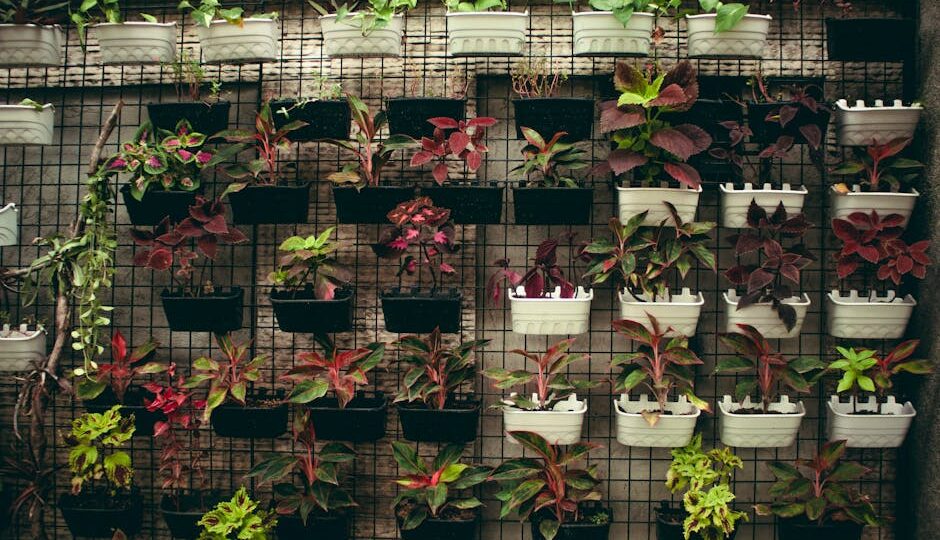
The Ultimate Guide to Vertical Gardens
Vertical gardens, or living walls, have taken the world by storm, and for good reason. They offer a unique way to bring greenery into urban spaces, enhance air quality, and boost aesthetics without the need for expansive grounds. More importantly, they make the most of available space, transforming drab walls into vibrant ecosystems. If you’ve ever dreamed of having your own vertical garden, this guide will walk you through everything you need to know to get started.
Understanding the Basics of Vertical Gardens
Vertical gardening is not just about saving space; it’s a creative expression that combines functionality with beauty. At its core, a vertical garden involves growing plants on a vertically suspended panel using hydroponics, soil, or other supportive structures. These gardens can be freestanding or attached to walls, making them versatile options for various environments.
For instance, in bustling cityscapes like New York or Tokyo, skyscrapers are increasingly seen adorned with these green installations. This not only contributes to the visual appeal but also helps in reducing urban heat and improving air quality. Studies have shown that vertical gardens can reduce ambient temperature by up to 5 degrees Celsius, which is significant in densely populated urban areas.
Choosing the Right Plants
Selecting the right plants for your vertical garden is crucial as not all plants thrive in vertical positions or specific climatic conditions. Consider the light, temperature, and moisture requirements of your chosen plants. Common choices for vertical gardens include:
- Ferns: These are excellent for shady spots and add a lush, green look.
- Succulents: Perfect for sunny areas, they require minimal water.
- Herbs: Mint, basil, and thyme not only add greenery but also bring fragrance and utility.
- Flowering plants: Such as begonias and orchids, which can add vibrant colors.
For urban settings like Los Angeles or Sydney, native plants are often recommended as they are better adapted to the local climate and require less maintenance.
Building Your Vertical Garden
The construction of a vertical garden depends on several factors such as available space, budget, and the desired aesthetic. Here’s a basic way to start:
Step 1: Choose Your Structure
Your structure can be as simple as a wooden frame or as complex as a prefabricated panel system. For DIY enthusiasts, using recycled materials like pallets can be both cost-effective and environmentally friendly.
Step 2: Install a Growing Medium
This could be a soil-based mix, hydroponic systems, or specialized pockets. The choice largely depends on the type of plants and the irrigation system you plan to use.
Step 3: Set Up an Irrigation System
Efficient watering is vital as plants in vertical gardens can dry out quickly. Drip irrigation systems are popular for their efficiency and ease of installation.
Maintaining Your Vertical Garden
Maintenance is key to the longevity and health of your vertical garden. Regular pruning, monitoring for pests, and ensuring that the irrigation system is functioning properly are essential tasks. It’s also important to periodically check the integrity of the structure, especially in areas prone to extreme weather conditions like Miami or Hong Kong.
An annual check-up with a professional can help diagnose any underlying issues early, ensuring your garden thrives year-round.
Benefits Beyond Beauty
Vertical gardens offer more than just aesthetic appeal. They act as natural insulators, reducing energy costs by moderating indoor temperatures. In cities like Paris and London, where space is at a premium, these gardens provide a green escape for residents and contribute to biodiversity by attracting pollinators like bees and butterflies.
Moreover, research indicates that these green structures can help reduce noise pollution, making them ideal for urban environments where peace and quiet are hard to come by.
Practical Takeaway
Starting a vertical garden might seem daunting at first, but with the right guidance and a little bit of creativity, you can transform any space into a lush, green sanctuary. Whether you are looking to enhance your home’s aesthetic, improve air quality, or simply enjoy the therapeutic benefits of gardening, vertical gardens offer a rewarding experience. Consider your local climate, plant preferences, and available space, and soon you’ll be on your way to creating a stunning vertical garden that reflects your unique style and contributes positively to your environment.