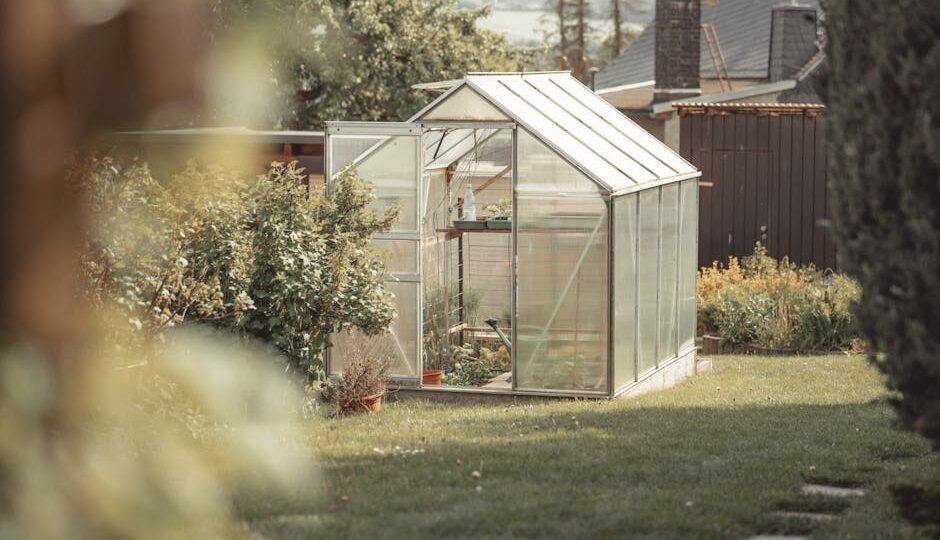
How to Transform a Small Yard into a Lush Oasis
In 2026, our outdoor spaces have become cherished sanctuaries amid urban hustle and bustle. But having a small yard doesn’t mean you can’t create a lush, inviting oasis. With a few clever tricks and thoughtful choices, even the tiniest of spaces can be transformed into a verdant paradise.
Plan with Purpose
Every great garden begins with a plan, especially when space is at a premium. Start by assessing your yard’s existing conditions. Consider sunlight patterns, wind directions, and soil quality. Is your yard mostly shady in the afternoons, or does it bask in full sunshine all day?
Once you have a good understanding of these factors, think about the primary function of your yard. Do you envision a peaceful retreat, a lively social space, or perhaps a productive vegetable patch? Your answers to these questions will guide the layout and plant choices.
Create Levels and Depth
One of the most effective ways to add interest to a small yard is by creating different levels. This can be achieved through terracing or raised beds. Not only do these features add depth and dimension, but they also offer additional planting spaces. Consider using materials like reclaimed wood or natural stone to blend seamlessly with your greenery.
For example, a popular trend in Seattle has been the use of vertical gardens. These green walls are perfect for compact spaces and can be used to grow everything from herbs to ornamental plants.
Choose the Right Plants
Selecting the right plants is crucial in creating a lush oasis. Opt for a mix of perennial shrubs, seasonal flowers, and evergreen plants to ensure year-round interest. Dwarf varieties are excellent choices for small spaces.
- Climbing plants: Use vertical space by planting climbers like clematis or wisteria. These can be trained over trellises or pergolas to create a green canopy.
- Compact trees: Consider small trees like Japanese maple or dwarf apple trees that provide shade without overwhelming the space.
- Native plants: Incorporating plants native to your region, such as California lilac in Los Angeles, not only supports local wildlife but is often more sustainable and easier to maintain.
Water Features and Lighting
A small water feature can dramatically change the ambiance of your yard. The gentle sound of flowing water adds a soothing element, masking urban noise. Compact fountains or small ponds are great options that fit well into limited spaces.
Lighting is another critical aspect of any outdoor oasis. Soft, strategically placed lights can enhance the beauty of your yard and extend its usability into the evening hours. Solar-powered lights are an eco-friendly option that can be placed along pathways or nestled within plant beds to cast a warm glow.
Furniture and Accessories
Choosing the right furniture can maximize the usability of your yard without overcrowding it. Consider foldable or multi-functional pieces, such as benches with built-in storage or tables that can be easily expanded when entertaining guests.
Accessories like outdoor rugs or colorful cushions can add a personal touch and make the space feel inviting. In a New York city courtyard, a cleverly placed hammock became a favorite spot for residents to unwind after a long day.
Embrace Sustainable Practices
Sustainability is more than a trend; it’s a way of life. In your quest to create a lush oasis, consider incorporating sustainable practices such as rainwater harvesting or composting. These methods not only reduce your ecological footprint but can also enhance the health of your garden.
For example, installing a rain barrel can provide a free source of water for your plants. Meanwhile, a small compost bin can turn kitchen scraps into nutrient-rich soil conditioner.
Practical Takeaway
Transforming a small yard into a lush oasis is about making thoughtful choices and working with what you have. By planning carefully, choosing appropriate plants, and incorporating elements like water features and lighting, you can create a serene retreat that feels both expansive and intimate. Remember, your yard is an extension of your home, reflecting your personality and lifestyle.