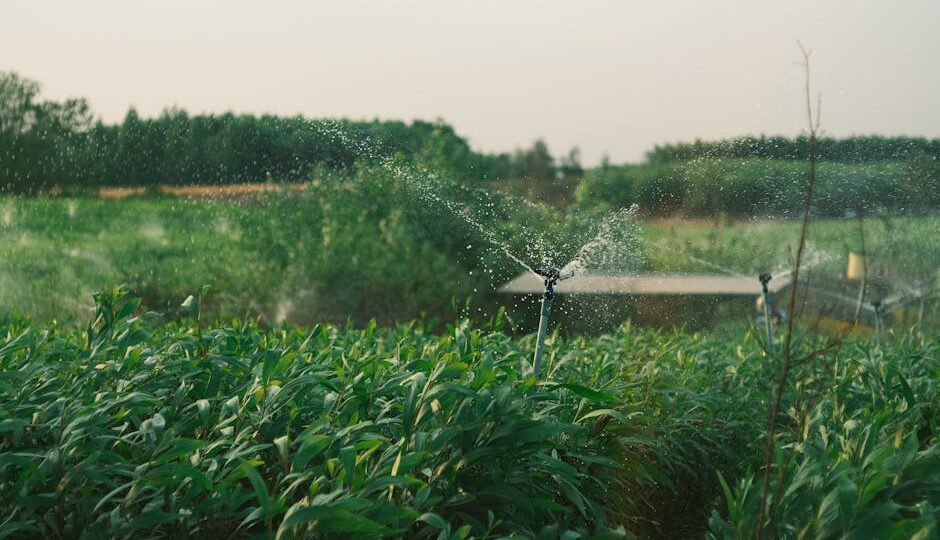
The Rise of Smart Irrigation Systems
Landscaping enthusiasts in 2026 are increasingly turning their attention to innovative technologies that enhance both the beauty and sustainability of their outdoor spaces. Among these, smart irrigation systems have emerged as a game-changer, combining convenience with environmental responsibility. These intelligent systems are designed to optimize water usage, ensuring that not a drop is wasted while keeping your garden lush and vibrant.
Smart irrigation systems use weather data, soil sensors, and plant-specific requirements to deliver the right amount of water at the optimal times. This technology is particularly valuable in areas prone to droughts or where water conservation is a priority, such as California or Arizona.
How Do Smart Irrigation Systems Work?
At the heart of these systems lies advanced technology that communicates directly with weather stations and soil moisture sensors, providing real-time data to adjust watering schedules accordingly. By analyzing local weather patterns and the specific needs of your plants, these systems can reduce water usage by up to 30% compared to traditional irrigation methods.
For example, Nestled in the heart of Austin, Texas, the GreenThumb Community Garden has reported a decrease in water consumption by 35% after installing a smart irrigation system. The system’s ability to shut off during rainy periods and increase watering during heatwaves has helped maintain the garden’s health year-round.
Key Features to Look for in a Smart Irrigation System
- Real-Time Monitoring: Choose a system that offers real-time monitoring and adjustments. This feature ensures your plants receive the optimal amount of water, even when you’re away from home.
- Soil Moisture Sensors: These sensors are critical for preventing overwatering. They detect the moisture level in the soil, providing data that helps the system decide when to activate.
- Weather Integration: Ensure that the system can integrate with local weather reports to adjust watering schedules based on forecasted rain or heat.
- Mobile App Control: A user-friendly app can make life easier, allowing you to adjust settings and monitor your system from anywhere.
DIY Installation vs. Professional Setup
While the prospect of installing a smart irrigation system may seem daunting, many homeowners are opting for DIY solutions. With a host of tutorials and guides available online, installing a basic system can be a weekend project. However, for larger properties or those looking for advanced features like soil moisture sensors and weather integration, professional installation might be the best route.
Professional installers can customize the system to suit your specific landscape needs, ensuring optimal performance and efficiency. A professional setup can cost between $1,500 and $5,000, but the investment can lead to significant water savings over time.
Environmental and Economic Benefits
Beyond the obvious benefit of conserving water, smart irrigation systems contribute positively to the environment by reducing runoff and preventing soil erosion. By distributing water only where and when it’s needed, these systems help maintain soil integrity and promote healthier plant growth.
Economically, while there is an initial investment, the reduction in water bills can be substantial. Homeowners in drought-prone areas have reported savings of up to 40% on their water bills after implementing smart irrigation technologies.
A Practical Takeaway for 2026
For homeowners and landscaping aficionados ready to embrace the future of yard maintenance, investing in a smart irrigation system in 2026 is a move towards sustainability and efficiency. These systems not only save water and money but also ensure your garden thrives with minimal effort. Whether you’re maintaining a small urban garden or managing expansive lawns, the benefits of smart irrigation are clear: a greener lawn, a lighter conscience, and a fatter wallet.