Why Choose Native Plants?
In 2026, the trend toward using native plants in landscaping is more than a passing fashion—it’s a movement. Native plants are those that have evolved naturally in a particular region and are perfectly adapted to the local climate and soil conditions. By choosing native species, you’re not only contributing to environmental conservation but also significantly reducing maintenance efforts in your garden.
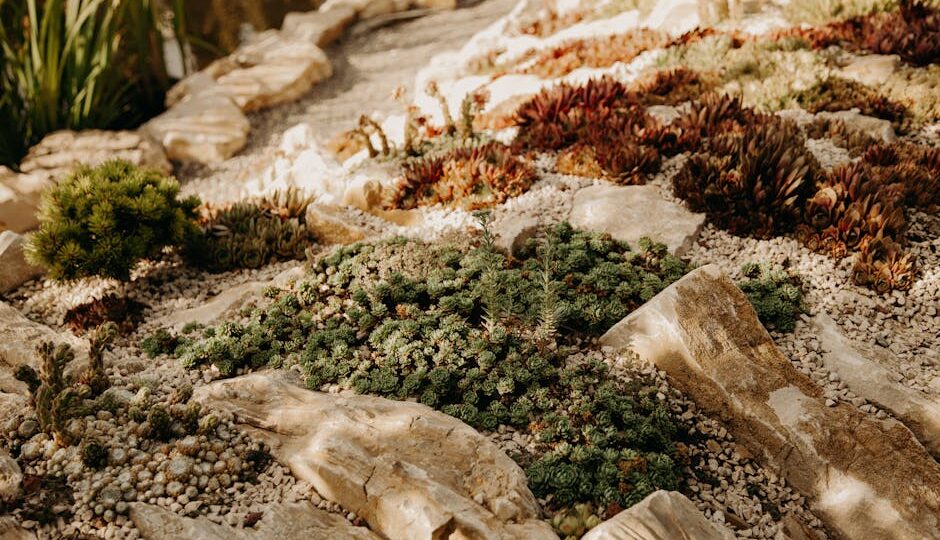
For example, if you live in the arid regions of Southern California, incorporating plants like the California poppy or the coast live oak can drastically reduce your water usage. These plants are accustomed to the local weather and require minimal intervention to thrive.
Benefits of Going Native
The benefits of using native plants extend far beyond mere practicality. Here are a few compelling reasons to consider:
- Sustainability: Native plants require less water, fertilizer, and pesticides, making them an eco-friendly choice.
- Biodiversity: These plants support local wildlife, providing essential habitats for pollinators like bees and butterflies.
- Resilience: Native plants are naturally more resistant to local pests and diseases, reducing the need for chemical treatments.
- Aesthetic Compatibility: They blend seamlessly with the natural landscape, creating a cohesive and visually appealing environment.
Designing Your Native Plant Landscape
When designing with native plants, it’s crucial to understand the specific needs and characteristics of each plant. This will help you create a vibrant, self-sustaining landscape that thrives with minimal intervention.
Begin by researching the native plants in your region. If you’re in the Midwest, consider incorporating prairie grasses like little bluestem or wildflowers such as black-eyed Susan. These plants not only offer year-round interest but also support local ecosystems.
Practical Tips for Integrating Native Plants
Implementing native plants into your yard may seem daunting, but with a little planning, it can be an enjoyable process. Here are some tips to help you get started:
- Start Small: If you’re new to native plants, start by replacing a small section of your garden. As you become more comfortable, gradually expand.
- Group by Needs: Plant species with similar water and sunlight requirements together for a more efficient and visually appealing layout.
- Use Local Resources: Many local nurseries and botanical gardens offer native plant workshops and consultations to help you choose the best species for your landscape.
Challenges and Solutions
While native plants offer numerous advantages, they can also present unique challenges. The most common issue is the availability of specific species in commercial nurseries. Fortunately, many local gardening centers are expanding their selections to include a wider variety of native plants.
Another challenge is dealing with invasive species that can out-compete native plants. Regular monitoring and maintenance are essential to prevent unwanted invasions and ensure that your native garden thrives.
Creating Your Personal Oasis
Embracing native plants in your landscaping design is a powerful way to create a harmonious and sustainable outdoor space. Whether you’re looking to save on water bills, support local wildlife, or simply enjoy the unique beauty of your region’s flora, native plants offer a world of possibilities. Begin your journey today, and enjoy the myriad benefits that come with cultivating a yard that’s rooted in nature.