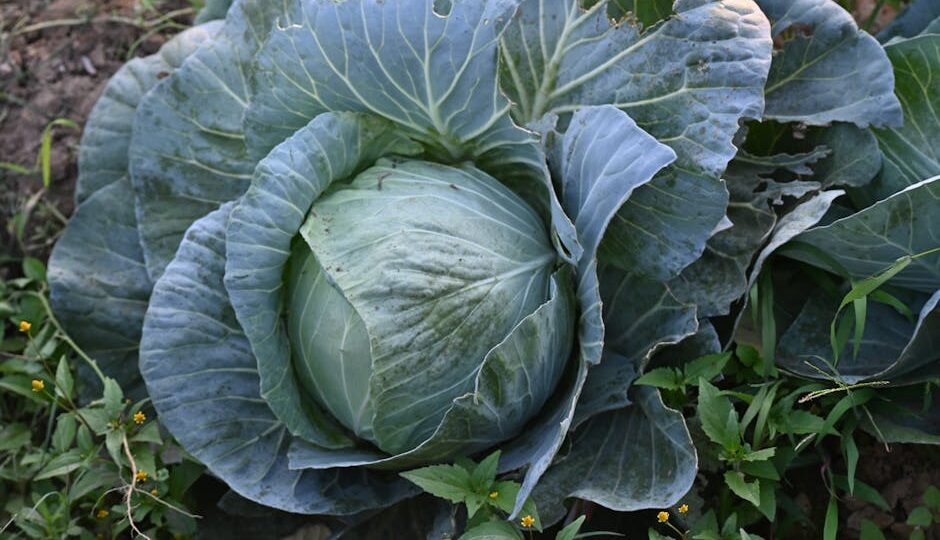
Introduction to Edible Landscapes
In 2026, the concept of edible landscapes is flourishing, combining aesthetics with functionality in a way that redefines the traditional garden. This trend is not just about planting a few tomato plants or a small herb garden; it’s about thoughtfully integrating edible plants into your landscaping design to create a space that is as functional as it is beautiful.
Imagine walking through your garden, plucking fresh berries, herbs, and vegetables, all while enjoying the vibrant colors and textures of your surroundings. This is the promise of edible landscaping, where utility meets artistry.
The Benefits of Edible Landscaping
Edible landscapes offer a host of benefits that extend far beyond the dinner table. Here are just a few:
- Environmental Impact: By incorporating edible plants into landscapes, homeowners can reduce their carbon footprint. Locally grown produce means fewer resources spent on transportation and packaging.
- Health and Nutrition: Fresh produce from your garden is packed with nutrients, and the act of gardening itself is a wonderful form of exercise, promoting both physical and mental well-being.
- Aesthetic Appeal: Edible plants can be just as beautiful as traditional ornamental plants. Consider the deep red of a beet plant or the vibrant green of a kale leaf. These plants can add color and texture to any garden.
Designing Your Edible Landscape
Creating an edible landscape requires careful planning to ensure that it is both productive and visually appealing:
- Start with a Plan: Determine what you want to grow and where. Consider the sun, shade, and soil requirements for each plant. A well-planned garden is key to both aesthetics and productivity.
- Integrate Perennials: Perennial edibles like artichokes, asparagus, and rhubarb can provide structure and longevity to your garden. These plants can act as anchors, around which annuals can be rotated.
- Mix Edibles and Ornamentals: Combine edible plants with ornamental ones to create a lush, decorative landscape. For example, plant strawberries as ground cover beneath ornamental shrubs, or use fruit trees as a focal point in your yard.
Success Stories: Real-World Examples
Several communities around the world have embraced edible landscapes, achieving stunning results. In Seattle, the Beacon Food Forest has transformed a seven-acre plot into a public park where anyone can harvest food. This community-driven project has become a model for urban agriculture.
In the heart of London, The Edible Bus Stop project reimagines neglected urban spaces by turning them into enticing community gardens, blending art with utility. These spaces not only provide fresh produce but also foster a sense of community and connection to nature.
Practical Tips for a Thriving Edible Landscape
Ready to start your own edible landscape? Here are some practical tips to get you started:
- Focus on Soil Health: Healthy soil is the foundation of any successful garden. Use organic matter to enrich the soil and consider crop rotation to maintain soil fertility.
- Embrace Diversity: Diverse plantings can ward off pests naturally. Consider companion planting, a method where certain plants are grown together for mutual benefit.
- Water Wisely: Efficient irrigation is crucial. Drip irrigation systems can be a great investment to ensure your plants get the right amount of water without waste.
Takeaway: Start Small, Dream Big
Embarking on an edible landscape project can seem daunting, but you don’t have to overhaul your entire yard overnight. Start small, with a few key plants, and expand each season as you learn what works best in your space. Remember, an edible landscape is not just about growing food; it’s about creating a beautiful, sustainable environment that feeds the body and soul.