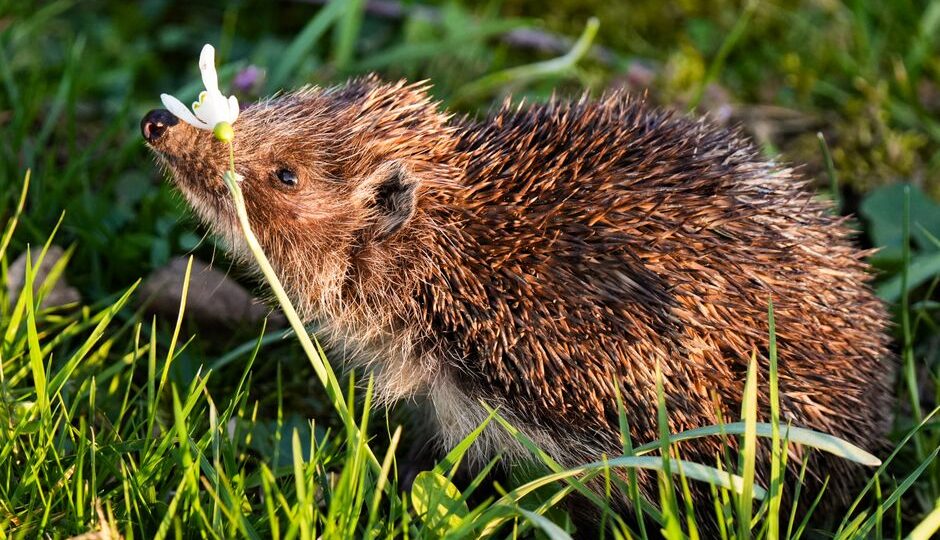
Understanding the Value of Biodiversity in Your Backyard
As we move into 2026, the importance of biodiversity is more apparent than ever. Our backyards are not just private spaces for relaxation—they’re vital ecosystems that can support a wide array of wildlife. By designing your garden with biodiversity in mind, you create a haven for birds, insects, and small mammals, while contributing to the global effort of preserving natural habitats.
Choosing Native Plants for a Thriving Ecosystem
When it comes to creating a wildlife-friendly garden, native plants are your best friends. They are adapted to the local climate and soil conditions, making them easier to care for and more resilient to disease. In Wisconsin, for example, incorporating plants like the Purple Coneflower and Black-eyed Susan can attract pollinators and provide sustenance for local wildlife. Research your local flora to make informed decisions that will support the surrounding ecosystem.
Creating a Layered Habitat
A diverse garden structure is key to hosting a wide range of species. Think of your garden as a multi-layered cake. Start with ground cover plants like clover or thyme, which offer food and shelter to insects and small creatures. Add shrubs such as elderberry or hazelnut, which can provide nesting sites and food sources. Finally, incorporate trees like willows or oaks; their towering presence shelters birds and squirrels, creating a vertical habitat that supports life at all levels.
Water Features: The Lifeblood of Your Garden
Water is an essential resource for all forms of wildlife. Installing a pond or birdbath can attract a host of creatures, from frogs and dragonflies to songbirds. Consider a small pond with gently sloping edges to allow easy access for amphibians and mammals. If space is limited, even a simple birdbath can make a significant difference. Ensure that any water feature is regularly cleaned and replenished to prevent the spread of disease.
Building Shelters and Nesting Sites
Providing shelter is crucial for wildlife, especially during harsh weather conditions. Incorporate features such as log piles, rockeries, or leaf litter as natural shelters. If you have the space, consider birdhouses, bat boxes, or hedgehog homes. These offer safe nesting sites and can significantly increase the biodiversity of your backyard. Remember to position these shelters carefully, considering factors like sunlight, wind protection, and predator access.
Encouraging Beneficial Insects
Not all insects are pests. In fact, many play a critical role in maintaining a healthy garden ecosystem. Encourage beneficial insects like ladybugs, bees, and lacewings by planting flowers rich in nectar and pollen. Herbs such as rosemary, lavender, and mint are great choices. You can also create insect hotels using bamboo, straw, and wood, providing nesting sites for solitary bees and other beneficial species.
By embracing biodiversity and incorporating these strategies into your garden design, you not only create a sanctuary for wildlife but also enhance the beauty and resilience of your garden. In 2026, let your backyard be a testament to the harmonious coexistence of humans and nature.
Practical Takeaway
As you embark on your backyard wildlife habitat journey, remember the power of small changes. From planting just a few native flowers to installing a simple birdbath, every action contributes to a larger environmental impact. Your efforts can transform your garden into a thriving ecosystem that supports life in all its vibrant forms.