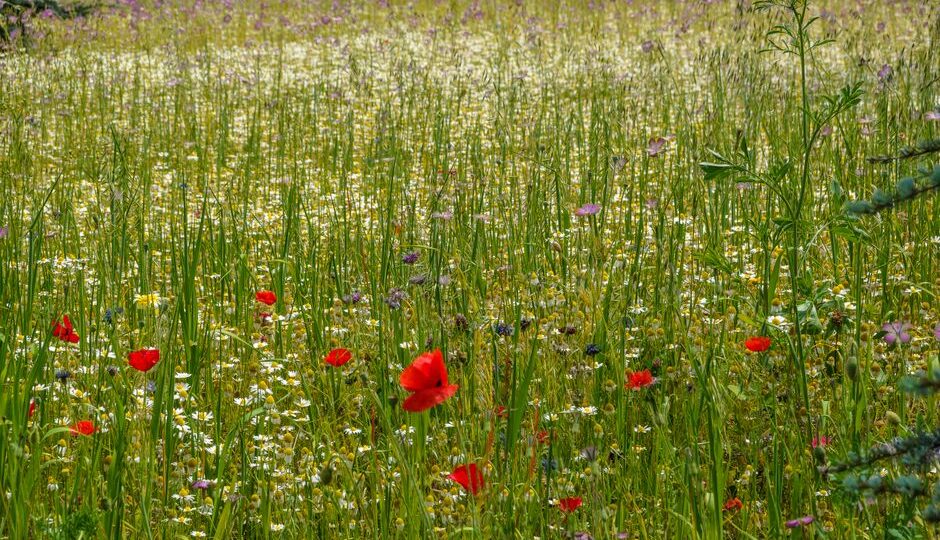
Why Wildflower Meadows Are Gaining Popularity
As we step into 2026, the trend towards sustainable landscaping continues to gain momentum. One standout movement is the creation of wildflower meadows—a delightful blend of beauty, biodiversity, and environmental responsibility. Not only do these meadows offer an aesthetic charm with their vibrant colors and varied textures, but they also provide critical habitats for pollinators and other wildlife. Unlike more traditional lawns, wildflower meadows require less water, fewer chemicals, and minimal maintenance, making them an eco-friendly choice for modern homeowners.
Choosing the Right Wildflowers for Your Region
Before you start converting your yard into a wildflower paradise, consider your local climate and soil conditions. For instance, if you’re in the temperate regions of the Pacific Northwest, native species like the Oregon Sunshine and Blue Camas will thrive. Meanwhile, those living in the arid Southwest might opt for the Arizona Lupine or Desert Marigold. Consult your local extension office or a native plant nursery to find the best species that will not only survive but flourish in your area.
Planning and Designing Your Meadow
Creating a wildflower meadow is not just about scattering seeds—thoughtful planning is essential. Start by selecting an area that receives at least six hours of sunlight daily. Clear this space of existing vegetation, and if possible, conduct a soil test. Once you know the pH and nutrient levels, amend the soil as needed to support wildflower growth.
Design your meadow with both aesthetic and ecological principles in mind. Mix different species to ensure continuous blooms from spring to fall, and include a variety of flower heights and shapes to create visual interest. A general guideline is to aim for 70% grasses and 30% wildflowers—this balance helps support the soil and reduces erosion while allowing the flowers to shine.
Seeding and Early Care
Timing is critical when it comes to seeding. In most regions, the best time to plant wildflowers is in the fall, which allows seeds to settle in before winter and germinate in the spring. If fall planting isn’t feasible, early spring is your next best option.
Scatter seeds evenly across the prepared area, then lightly rake them into the soil to ensure contact. Water the area gently but thoroughly, and continue to keep the soil moist until the seedlings establish. Be patient—wildflowers can take a season or two to fully establish and bloom.
Maintaining Your Wildflower Meadow
Once your meadow is established, maintenance is relatively simple. Resist the urge to mow frequently; a single mow in late fall will suffice, helping to scatter seeds for next year’s blooms. This cut should be at a height of 4 to 6 inches to allow for reseeding.
Keep an eye out for invasive species and remove them promptly. Wildflower meadows are dynamic ecosystems, and regular monitoring will ensure that your chosen plants can compete successfully against unwanted intruders.
Practical Takeaway: Start Small and Expand
If transforming your whole yard into a wildflower meadow feels overwhelming, start small. Convert a section of your lawn or a neglected corner of your property first. Watch how it transforms over the seasons, and expand your meadow as you gain confidence and familiarity with the process. This approach also allows you to observe how different species perform and tweak your choices for future growth, ensuring a thriving and sustainable wildflower landscape.