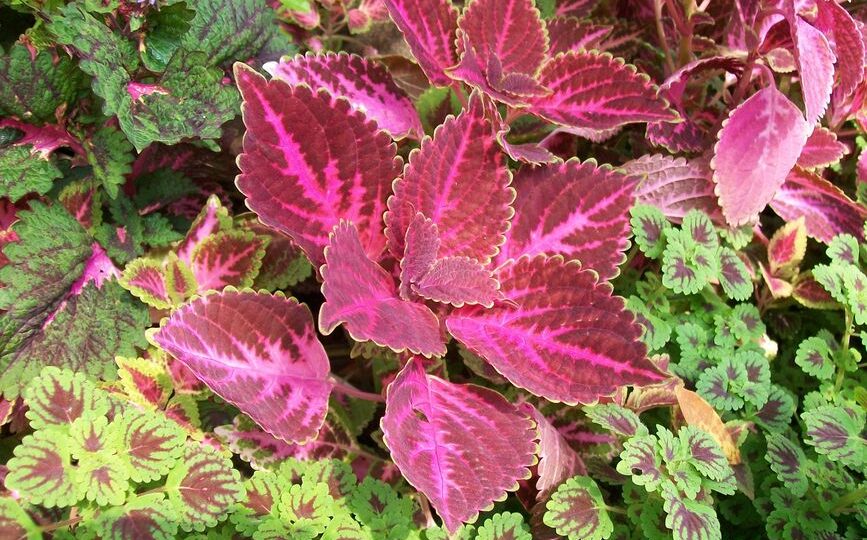
Revitalizing Your Outdoor Space with Shade Gardens
As we venture deeper into 2026, it’s clear that creating inviting and vibrant outdoor spaces continues to be a cherished pursuit. One emerging trend that’s capturing garden enthusiasts’ hearts is the art of designing colorful shade gardens. These shaded sanctuaries not only offer refuge from the sun but also introduce layers of texture and color that can transform any backyard into a lush paradise.
Understanding the Elements of Shade Gardening
Shade gardens are a unique blend of artistry and science. They require a keen understanding of the types of shade present in your garden, the varieties of plants that thrive without direct sunlight, and the interplay of colors and textures that create visual interest.
Typically, shade in gardens can be categorized into full shade, partial shade, and dappled shade. Each type provides different conditions for plant growth. Full shade areas receive less than three hours of direct sunlight, while partial shade gets about three to six hours. Dappled shade offers filtered sunlight, perfect for more delicate flowers.
Essential Plants for a Vibrant Shade Garden
- Hostas: Known for their lush foliage, hostas come in a multitude of colors and sizes. Their leaves can range from deep blue-green to golden yellow, providing an excellent backdrop for smaller blooms.
- Astilbes: With feathery plumes in shades of pink, white, and red, astilbes add a touch of elegance to any shaded area. They thrive in moist, well-drained soil, making them perfect for gardens with varying moisture levels.
- Japanese Forest Grass: This ornamental grass brings a flare of golden hues to the shade garden, creating movement and contrast against darker greens.
- Ferns: From the delicate maidenhair to the robust ostrich fern, these plants bring texture and an air of prehistoric mystery to shaded corners.
- Bleeding Hearts: Their heart-shaped blooms add a romantic touch to any garden. Available in pink, red, and white, they are a favorite for those seeking a soft color palette.
Design Techniques to Maximize Impact
Creating a shade garden is as much about placement as it is about plant selection. Consider layering plants of different heights and textures to create a sense of depth and intrigue. Taller plants like ferns can serve as a backdrop, while shorter ground covers like creeping Jenny weave through the landscape with pops of brightness.
Incorporate pathways or small seating areas to invite exploration and relaxation. Flagstone or pebble pathways add a rustic charm, while a simple wooden bench can transform your garden into a personal retreat.
Adding Hardscape Elements for Personality
Enhance your shade garden with carefully chosen hardscape elements. Incorporate weather-resistant sculptures or a gently trickling fountain to introduce sound and movement. Containers with shade-tolerant annuals can be strategically placed to add height and seasonal color shifts.
Lighting is another key component. Soft, solar-powered lanterns or LED uplights can highlight focal plants or create a magical ambiance during evening hours.
Practical Tips for Maintenance
While shade gardens require less maintenance than sun-loving landscapes, they still need care to thrive. Regular watering, especially during dry spells, is essential for keeping moisture-loving plants happy. Mulching helps retain soil moisture and prevents weeds from encroaching.
Pruning is crucial to maintain the health and shape of your plants. Remove any dead or damaged foliage to allow air circulation and prevent disease. Feed your plants with a balanced, slow-release fertilizer in early spring to promote robust growth.
Practical Takeaway: Designing a vibrant shade garden is an opportunity to experiment with colors, textures, and plant varieties that thrive in low-light conditions. Whether you have a sprawling space or a small urban plot, with the right plants and thoughtful design, you can create a serene retreat that offers a cool, colorful escape from the summer heat.