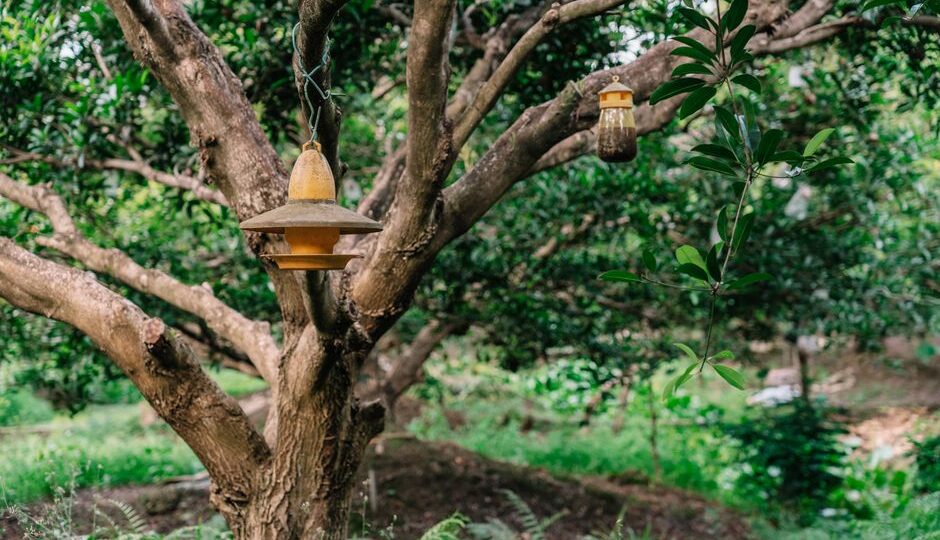
The Vision of a Food Forest
In the heart of sustainable landscaping, there’s a growing trend that’s reshaping backyards across the globe in 2026: the transformation of traditional lawns into lush, productive food forests. Imagine a space where fruits, nuts, vegetables, and herbs coexist just steps from your door, all while nurturing the environment. It’s a concept that combines beauty with utility, creating a self-sustaining ecosystem that offers year-round abundance.
Food forests, a part of the permaculture movement, are designed to mimic natural ecosystems. They optimize plant diversity and symbiotic relationships to create sustainable, low-maintenance landscapes. This approach isn’t just about growing food; it’s about fostering a thriving habitat for both humans and wildlife.
Mapping Out Your Space
Let’s talk logistics. The first step in creating your food forest is to map out your space. Understand the sun’s path across your yard, identify microclimates, and consider water runoff patterns. These factors will guide you in determining which plants will thrive where.
For instance, sun-loving plants like apples and cherries might do best in the southern or western part of your yard, while shade-tolerant species like currants and gooseberries could flourish in the northern or eastern sections. Use tools like Google Earth or simple sun charts to plot your yard’s layout before planting a single seed.
Layering: The Secret to Abundance
A food forest thrives on the principle of layering. This technique involves planting different species of plants at various heights to maximize space and resource use. Picture a forest: towering trees, understory shrubs, groundcovers, climbers, and roots all exist in harmony, each layer providing benefits to the others.
- Canopy Layer: Home to tall fruit and nut trees like pecans or apples.
- Understory Layer: Smaller trees and tall shrubs such as hazelnuts or elderberries.
- Shrub Layer: Berry bushes like blueberries or raspberries.
- Herbaceous Layer: Perennials and annuals like mint, basil, and comfrey.
- Groundcover Layer: Low-growing plants like strawberries or clover, which help retain soil moisture.
- Root Layer: Root vegetables and tubers like carrots or sweet potatoes.
- Vertical Layer: Vines like grapes or kiwis that climb trees or structures.
Choosing the Right Plants
Your plant selection should be tailored to your local climate and soil conditions. Native plants are a great choice, as they are adapted to the local environment and support local wildlife. However, don’t shy away from experimenting with non-native species that can thrive in your area. The key is diversity.
Consider incorporating plants that offer multiple benefits. For example, nitrogen-fixing plants like clover or lupines enrich the soil, while flowering herbs like rosemary and lavender attract beneficial pollinators. Aim for a mix that includes early bloomers like spring bulbs, summer fruiters, and late-harvest crops to extend your harvest season.
Building Soil Health and Water Systems
Healthy soil is the foundation of a productive food forest. Start by testing your soil’s pH and nutrient levels. Organic matter such as compost or well-rotted manure can improve soil structure and fertility. Mulching is another key practice; it retains moisture, suppresses weeds, and gradually adds nutrients back into the soil as it decomposes.
Consider water management systems such as rain gardens or swales to capture and direct rainwater. This not only reduces the need for supplemental irrigation but also helps prevent erosion. If you’re feeling ambitious, a small pond can add an element of tranquility while supporting aquatic life and increasing biodiversity.
Creating Wildlife Habitats
Your food forest should be a haven for wildlife. Birds, bees, and beneficial insects are crucial allies in maintaining the ecological balance. Install birdhouses and baths to invite feathered friends that can help with pest control. A variety of flowering plants will attract pollinators, ensuring robust fruit and vegetable yields.
Don’t overlook the value of “messy” elements like log piles or rock gardens. These provide shelter for insects and small mammals, further enhancing the biodiversity of your food forest. Remember, a healthy ecosystem thrives on diversity and balance.
By embracing the principles of permaculture and food forests, you can transform your backyard into a lush, productive paradise. The journey demands patience and dedication, but the rewards—a garden that feeds not just your body but your soul as well—are worth every effort.
Practical Takeaway: Start small, experiment, and be patient. Building a food forest is a gradual process, but each step brings you closer to a backyard brimming with life and sustenance.