The New Era of Water-Wise Yards
With climate change and prolonged dry spells affecting many regions, 2026 is the year to embrace a water-conserving yard. This isn’t just a trend; it’s a necessity. The modern landscape doesn’t just look good; it thrives with minimal water. Here’s how you can transform your outdoor space into a drought-resilient paradise without sacrificing beauty or functionality.
Choosing the Right Plants
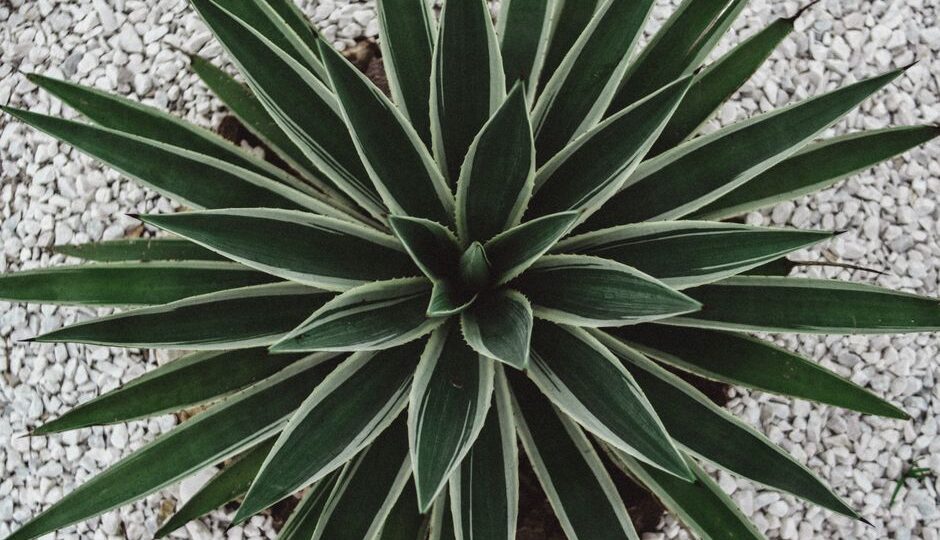
The foundation of any drought-resistant garden is plant selection. Native plants, succulents, and drought-tolerant species are your best friends. Consider Lavandula (lavender), Salvia (sage), and the versatile Agave. Not only do these plants require less water, but they also bring vibrant colors and textures to your yard.
Integrate these plants with ornamental grasses like Muhlenbergia and Festuca. These varieties are not just beautiful; they sway gracefully in the breeze, adding movement and life to your garden.
Smart Irrigation Systems
In 2026, irrigation systems have become smarter and more efficient than ever. Invest in a drip irrigation system, which delivers water directly to the plant roots, minimizing waste. Consider systems like the Rachio 4 Smart Sprinkler or the Netro Pixie, which offer app-controlled settings that adjust watering based on weather forecasts and soil moisture levels.
Another innovative approach is using rain sensors that automatically adjust watering schedules during and after rainfall, ensuring no drop is wasted.
Creative Hardscaping
Reduce your lawn area and embrace hardscaping. Use permeable materials like gravel, decomposed granite, or permeable pavers that allow rainwater to seep through into the ground, reducing runoff and aiding in groundwater recharge. Pathways and patios made from these materials add structure and require no watering.
Incorporate features like dry river beds, which are not only visually striking but also serve as functional drainage solutions during storms. Add a few boulders and driftwood to enhance the natural look.
Rainwater Harvesting Systems
Rainwater harvesting is a sustainable way to supplement your garden’s water needs. Install rain barrels at the base of your gutters to collect water during rainy periods. In 2026, systems are available that integrate seamlessly into your landscape, such as the Rainwater HOG tank with its sleek, modular design.
For larger properties, consider investing in underground cisterns that can store thousands of gallons, ensuring you have a substantial reserve during dry spells.
Mulching and Soil Health
Mulch is more than just a pretty cover for your plant beds. It plays a vital role in retaining soil moisture, regulating temperature, and suppressing weed growth. Organic mulches like wood chips and straw are excellent choices, breaking down over time to enrich your soil.
Additionally, invest in soil health by incorporating organic matter and compost. Healthy soil retains moisture better, providing your plants with the resilience they need during drought conditions.
Practical Takeaway
Designing a drought-resilient yard doesn’t mean compromising on beauty. By selecting the right plants, using smart irrigation, and incorporating sustainable practices like rainwater harvesting and mulching, you can create a stunning outdoor space that’s both eco-friendly and easy on your water bill. Start small, experiment, and watch as your yard becomes a water-wise wonder.