The Resurgence of Edible Landscapes
In 2026, edible landscaping has surged in popularity among homeowners looking to combine aesthetics with functionality. This concept isn’t entirely new, but its integration into suburban yards marks a shift towards sustainable living practices. Using your landscape as a source of food not only reduces grocery bills but also connects you more closely with the cycles of nature. What’s more, incorporating edible plants into your yard design adds layers of texture, color, and life to your outdoor space.
Understanding the Basics of Edible Landscaping
At its core, edible landscaping involves replacing traditional ornamental plants with their edible counterparts. Think of using kale as a border plant or swapping out boxwood bushes for blueberry hedges. The key to a successful edible landscape is balance. You want your garden to be both productive and visually appealing. Start by understanding the growing conditions in your area, consulting local gardening resources, or even visiting the farmer’s market for inspiration.
Top Edible Plants to Consider
- Berries: Blueberries and raspberries offer beautiful blooms and tasty fruits. They thrive in most parts of the United States and are perfect for creating hedges.
- Herbs: Lavender, rosemary, and thyme are not only culinary delights but also add fragrance and texture to your garden. These herbs are great for defining pathways or borders.
- Fruit Trees: Dwarf apple or pear trees fit well in small yards and provide shade, flowers, and fruits. Consider espaliering them against a wall to save space.
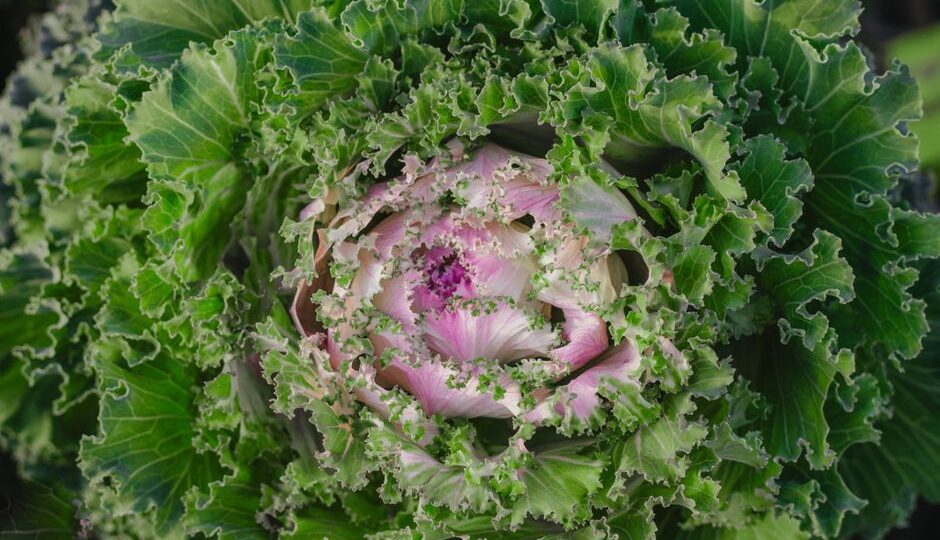
- Leafy Greens: Swiss chard and kale offer vibrant colors and are easy to maintain. They can be grown in raised beds or as part of ornamental displays.
- Edible Flowers: Nasturtiums and violets are beautiful and edible, adding splashes of color and flavor to salads.
Design Tips for a Cohesive Look
As with any landscape design, the goal is to create a harmonious balance. Begin by sketching a plan of your yard to identify sunlight patterns and existing structures. Use a combination of perennial and annual plants to ensure year-round interest. Group plants with similar water and sunlight requirements together. Utilize vertical space by installing trellises for climbing plants such as peas or beans. Intersperse edible plants with traditional ornamentals to maintain a seamless aesthetic.
Overcoming Common Challenges
One of the biggest hurdles is pest management. Use natural deterrents like marigolds to repel insects or introduce beneficial bugs like ladybugs to your garden. Another challenge is soil fertility; rotating crops and adding compost can help maintain nutrient levels. For those in drought-prone areas, select drought-tolerant edible plants or install a drip irrigation system to conserve water.
The Practical Benefits of Edible Landscaping
Beyond aesthetics, edible landscaping offers numerous practical benefits. It supports local biodiversity, improves soil health, and contributes to personal well-being through gardening activities. By growing your food, you reduce your carbon footprint and ensure access to fresh produce. This form of landscaping also fosters a sense of community, as neighbors often come together to share tips and harvests.
So, why not give it a try? Embrace the edible landscaping trend in 2026 and transform your yard into a productive paradise.