The Importance of Pollinator-Friendly Gardens
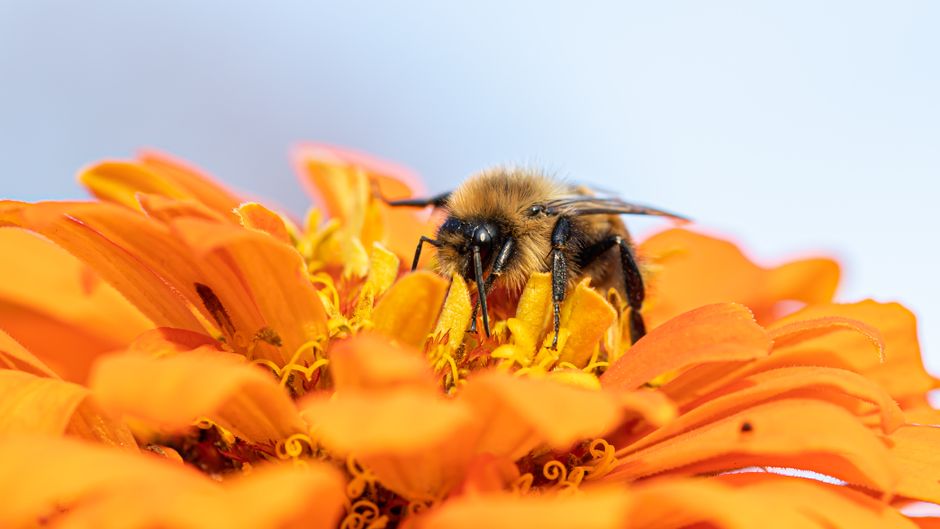
As cities expand and natural habitats shrink, our gardens have become vital safe havens for pollinators. Bees, butterflies, and other insects play crucial roles in the ecosystem, and supporting them through mindful landscaping can have a significant impact. In 2026, creating a pollinator-friendly yard isn’t just an act of environmental stewardship, it’s a trend that enhances the beauty and vitality of our outdoor spaces.
Choosing the Right Plants
When designing a garden that welcomes pollinators, plant choice is pivotal. Opt for native species that are adapted to the local climate and soil conditions. These plants provide the best pollen and nectar sources. For instance, in areas like Southern California, consider using California poppies, milkweeds, and black-eyed Susans. These not only attract a diverse array of pollinators but also thrive in the region’s dry conditions.
- Milkweed: Vital for monarch butterflies, these plants are both beautiful and functional.
- Lavender: Beloved by bees and butterflies, lavender adds fragrance and color.
- Sunflowers: These towering blooms provide ample pollen and seeds for various species.
Creating Diverse Habitats
A pollinator-friendly yard is more than just a collection of plants. It’s a vibrant ecosystem that offers shelter, water, and nourishment. Consider adding features like shallow dishes with water and rocks for perching, and leave some areas less manicured to provide natural homes for insects. Hedgerows made from native shrubs can also offer excellent nesting sites.
Embracing Organic Practices
To safeguard the delicate insects you’re inviting into your yard, it’s crucial to embrace organic gardening practices. Avoid using chemical pesticides and fertilizers, which can be harmful to pollinators. Instead, focus on natural pest control methods. Companion planting, introducing beneficial insects, and using homemade compost can keep your garden healthy and thriving without risking pollinator health.
Incorporating Educational Elements
Your pollinator garden can also serve as an educational tool. Consider adding signage to share information about the plants and the pollinators they attract. Hosting community workshops or school visits can turn your yard into a focal point of learning and inspiration. This not only spreads awareness but also encourages others to create their pollinator-friendly spaces.
Practical Takeaway
Creating a pollinator-friendly yard in 2026 is a rewarding challenge that combines ecological responsibility with garden aesthetics. By choosing the right plants, creating diverse habitats, embracing organic practices, and incorporating educational elements, you’ll cultivate a lush, buzzing ecosystem. This approach supports declining pollinator populations while enriching your outdoor living experience with color, movement, and life.