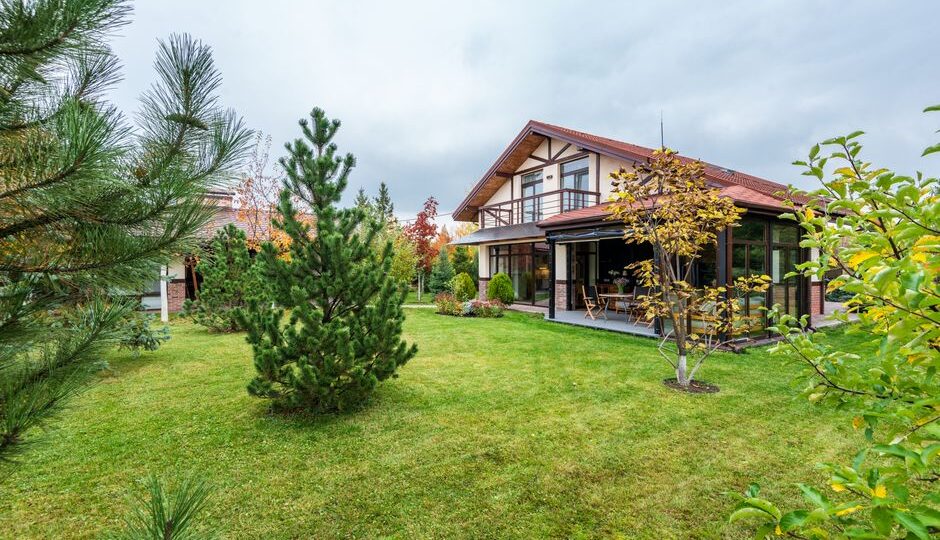
Understanding Microclimates: The Key to a Thriving Yard
Your yard is not just a single entity; it’s a complex ecosystem with varying conditions. These are known as microclimates, and they can drastically affect how plants grow and thrive. By understanding and harnessing these microclimates, you can tailor your landscape to suit a variety of plants, creating a vibrant, year-round garden.
Microclimates are small, localized areas within your yard that have different environmental conditions than the surrounding area. This could be a sunny corner, a shaded nook, or a windy spot. Recognizing these zones allows you to make informed decisions about plant selection and placement.
Leveraging Microclimates for Plant Selection
Once you’ve identified the microclimates in your yard, it’s time to choose plants that will thrive in those conditions. For instance:
- Sunny Areas: Consider drought-tolerant plants like lavender or succulents. They love basking in sunlight and require minimal water.
- Shaded Spots: Ferns and hostas are excellent choices for these areas. They thrive without direct sun and add lush greenery to your garden.
- Windy Corners: Opt for hardy plants such as ornamental grasses or sea holly that can withstand strong breezes without damage.
Creating Microclimates with Purposeful Landscaping
Sometimes, you can create microclimates to support your gardening goals. Strategic planting, hardscaping, and the use of structures like pergolas or walls can alter temperature, light, and wind conditions.
For example, building a stone wall can provide a heat-retaining surface, creating a warmer microclimate that benefits heat-loving plants like tomatoes. Similarly, planting tall shrubs can create a windbreak, protecting more delicate species.
Enhancing Biodiversity with Microclimates
Diverse microclimates foster biodiversity, attracting a range of wildlife. Birds, butterflies, and beneficial insects are drawn to varied conditions, enhancing the ecological balance of your garden.
Include native flowering plants and water features to support local wildlife. By catering to different species, you’ll create a dynamic outdoor space that’s buzzing with life.
Microclimate Maintenance: Year-Round Beauty
Once you’ve tailored your yard’s microclimates, maintaining them ensures your landscape remains beautiful year-round. Regular observation and adjustments, such as pruning or adding mulch, keep conditions ideal for plant health.
Consider installing a weather station to monitor conditions like temperature and humidity in real-time. This data can guide you in making timely adjustments, ensuring your plants are always thriving.
Final Takeaway: Creating Your Perfect Outdoor Haven
Tailoring your yard with an understanding of microclimates not only enhances plant growth but transforms your outdoor space into a personalized haven. By strategically leveraging natural and created microclimates, you can enjoy a lush, diverse, and thriving garden throughout all seasons in 2026 and beyond.