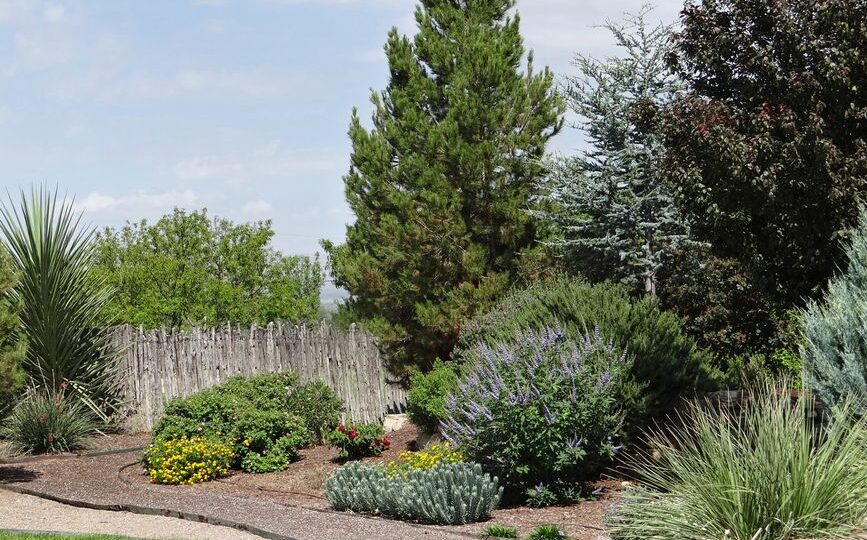
Understanding Regenerative Landscaping
As we embrace 2026, a new trend is taking root in the world of landscaping: regenerative landscaping. More than just a way to beautify your outdoor space, it represents a holistic approach that focuses on restoring and revitalizing the natural environment. This technique enhances the health of the ecosystem, building resilience against climate change and fostering biodiversity.
But what exactly is regenerative landscaping? At its core, it involves techniques that restore and renew the natural environment, promoting soil health, water conservation, and biodiversity. It’s about working with nature, not against it, to create sustainable and thriving outdoor spaces.
Why Regenerative Landscaping Matters in 2026
The urgency to adopt regenerative practices has never been more pressing. With climate change becoming increasingly visible, landscapes are under threat from extreme weather patterns, droughts, and diminishing biodiversity. In 2026, homeowners and landscape designers are looking for sustainable ways to address these challenges.
Regenerative landscaping not only helps combat these issues but also contributes positively by sequestering carbon, improving soil fertility, and increasing local wildlife habitats. It turns your yard into a powerhouse of ecological restoration, providing long-term benefits for both you and the planet.
Key Elements of Regenerative Landscaping
Implementing a regenerative landscape requires a thoughtful approach. Here are some key elements to consider:
- Soil Health: Healthy soil is the foundation of a thriving landscape. Techniques such as composting, mulching, and cover cropping improve soil structure and fertility, fostering a robust ecosystem.
- Water Management: Efficient water use is crucial. Install rain gardens and bioswales to manage stormwater, and consider xeriscaping with drought-tolerant plants to reduce water usage.
- Native Plant Selection: Utilize plants that are native to your region. They require less maintenance, provide habitat for local wildlife, and are better adapted to local climate conditions.
- Biodiversity: Encourage a variety of plant and animal species to thrive in your yard. This can be achieved by creating diverse plantings and installing features like birdhouses and bee hotels.
Steps to Implement Regenerative Practices
Ready to transform your yard into a regenerative landscape? Here are some steps to get you started:
- Assess Your Yard: Conduct a thorough assessment of your current landscape. Identify areas that could benefit from soil improvement, water management, or increased biodiversity.
- Create a Plan: Develop a comprehensive landscape plan that incorporates regenerative practices. Consider hiring a professional to assist with design and implementation.
- Start Small: Begin with small projects, such as planting a native garden or installing a rain barrel. Gradually expand your efforts as you gain experience and confidence.
- Monitor and Adjust: Regularly assess the effectiveness of your practices. Be prepared to make adjustments as needed to ensure your landscape continues to thrive.
Inspiring Examples of Regenerative Landscapes
Across the globe, inspiring examples of regenerative landscapes are popping up. The High Line in New York City, for instance, transformed an abandoned railway into a lush urban park, using regenerative practices to create a biodiverse habitat in the heart of the city.
In the UK, Knepp Estate has become a model for rewilding efforts, allowing nature to take its course and restoring a diverse ecosystem. These projects show the transformative power of regenerative landscaping, inspiring homeowners to adopt similar practices in their own backyards.
Your Practical Takeaway for 2026
As you look to enhance your outdoor space in 2026, consider the benefits of regenerative landscaping. By focusing on soil health, water management, native plants, and biodiversity, you can create a landscape that not only looks beautiful but also contributes to the health of the planet. Transform your yard into a model of sustainability and resilience, ensuring it remains a haven for wildlife and a sanctuary for you.